The Deceptive Danger of Minor Roof Leaks
Often, small roof leaks are dismissed as not urgent—this is a perilous oversight. Many have discovered, sometimes too late, that what starts as a few droplets can quickly escalate into a disaster. For instance, a retail store owner once noticed a small stain on the ceiling tiles; however, it was overlooked during the busy holiday season. By the time a closer inspection was made, the leak had spread, causing extensive damage to inventory below.- Quick detection is key to minimizing damage.
- Regular maintenance can prevent the escalation of minor leaks.
- Professional inspections can identify hidden problems.
Immediate Damage from Small Leaks
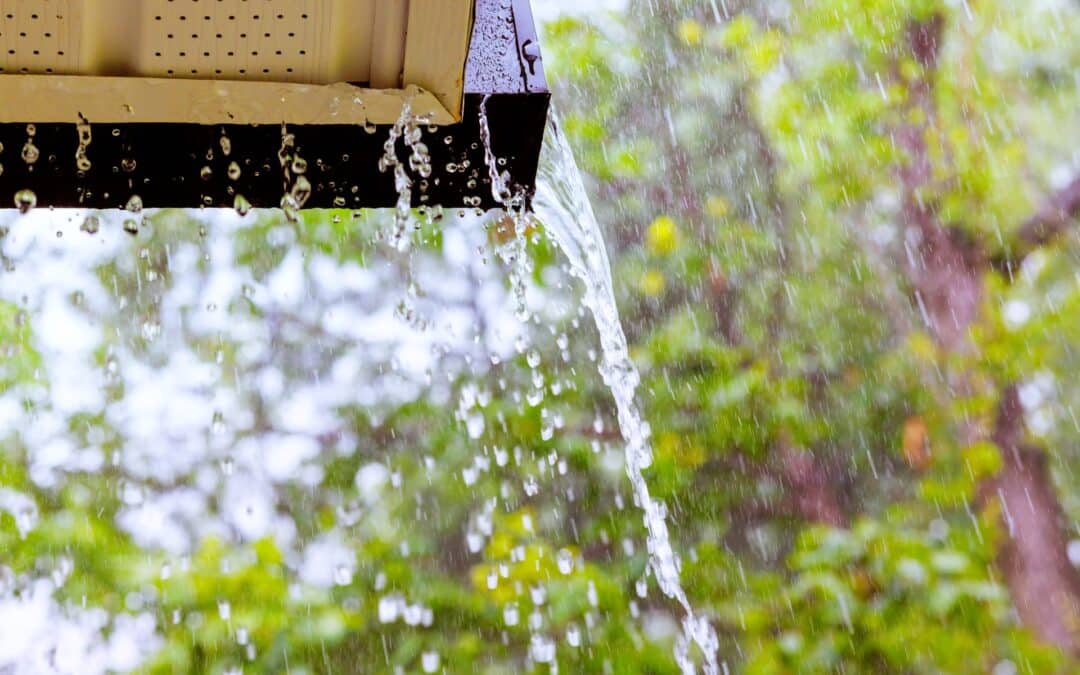
Small leaks can cause immediate damage to your property that might not be apparent at first glance. When water penetrates your roofing material, it can start to break down the substrates and weaken structural components. Over time, even a small amount of water can lead to the rotting of wooden beams, damage to insulation, and deterioration of interior finishes.- Water stains can indicate the start of a bigger problem.
- Damaged insulation increases energy costs.
- Structural integrity may be compromised with continued exposure to water.
Long Term Consequences of Neglected Leaks
Ignoring a small leak for an extended period allows for an accumulation of issues that can lead to significant structural damage. The persistent moisture can weaken roofing materials and the underlying structure, eventually requiring extensive and costly repairs. Additionally, the ongoing exposure to moisture can severely damage the roof deck, which is costly to replace.- Persistent leaks can lead to the need for a full roof replacement.
- Structural damage can significantly decrease property value.
- Long-term exposure to moisture can make repairs more complicated and expensive.
Mold and Health Risks Due to Leaks
The presence of moisture from a leaky roof creates an ideal environment for mold and mildew to grow. These fungi can spread quickly throughout the structure, not only causing damage to the property but also posing serious health risks to inhabitants, particularly those with allergies or respiratory issues. The removal of mold can be extensive and costly if not addressed quickly.- Mold can affect air quality and pose health risks.
- Mildew can cause unpleasant odors and damage to interior decor.
- Health issues related to mold can include respiratory problems and allergic reactions.
Increased Energy Costs and Inefficiency
Roof leaks can lead to higher utility bills as water infiltration compromises the insulation. Wet insulation loses its effectiveness, forcing heating and cooling systems to work harder to maintain comfortable indoor temperatures. This not only leads to increased energy usage but also accelerates wear and tear on your HVAC system.- Wet insulation has much lower thermal resistance.
- Inefficient HVAC systems can lead to increased energy costs.
- Regular roof maintenance ensures optimal insulation performance.
Roof Leak Detection Tips
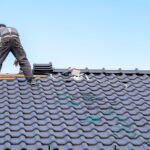
Detecting a roof leak early can be the difference between a simple repair and a major renovation. Look for signs of water damage on ceilings and walls, check for missing, damaged, or aged shingles, and inspect areas around chimneys and vents for any signs of wear or damage. Annual inspections by professionals can catch issues before they become problematic.- Visual inspections can reveal early signs of leaks.
- Professional roofers use specialized tools to detect hidden moisture.
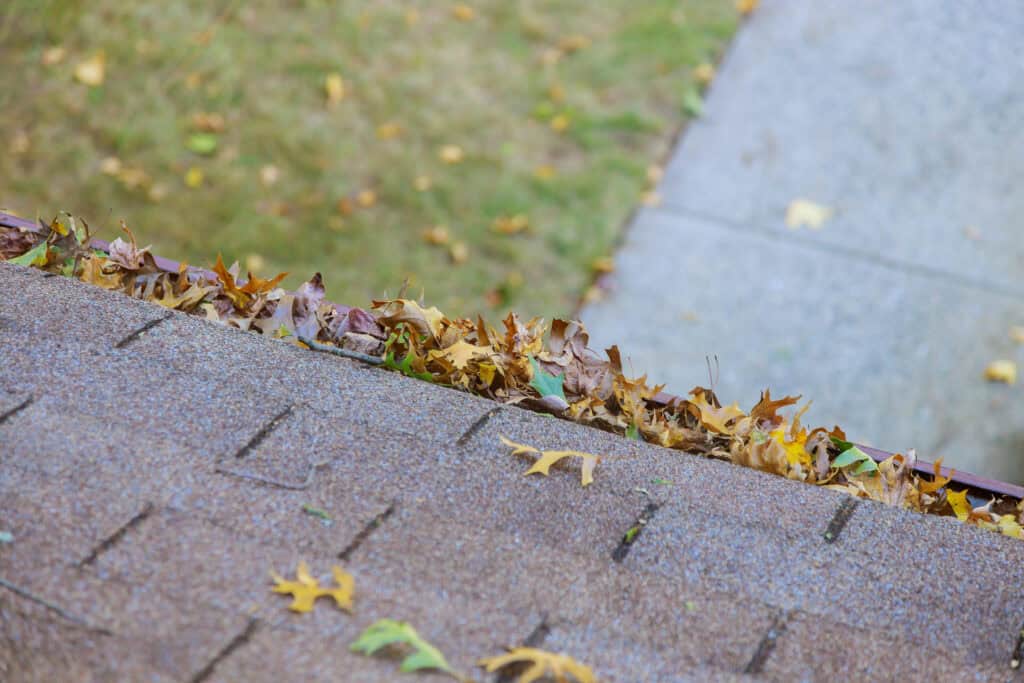
- Maintaining gutter cleanliness can prevent water buildup and leaks.
Professional Roof Inspection Benefits
Hiring a professional roofer for regular inspections can help you avoid the pitfalls of roof leaks. Professionals can offer insights and solutions that might not be obvious to the untrained eye. They can detect subtle signs of wear and advise on preventative maintenance, helping to extend the life of your roof and prevent future leaks.- Professionals can spot potential issues early.
- Expert advice can guide maintenance priorities.
- Routine inspections can extend the lifespan of your roof.
Choosing the Right Roofer for Leak Repairs
Selecting a competent and reliable roofer is essential for effective leak repair and prevention. Look for licensed and insured contractors with good reviews and a solid track record. They should offer a warranty on their work, indicating confidence in their services, and provide a clear, detailed estimate before starting any work.- Check for licensing and insurance as a baseline for credibility.
- Read reviews and check references to gauge reliability.
- Ensure warranties and detailed estimates are provided.
Why Ignoring Small Roof Leaks Can Lead to Major Issues
Overlooking a small leak can be a costly mistake as it compromises the structural integrity and safety of your building. By understanding the immediate and long-term effects of roof leaks, you can take proactive steps to protect your property. Regular maintenance and timely repairs are your best defenses against the potentially devastating impacts of roof leaks.- Act promptly on any signs of leaks.
- Regular professional inspections are crucial.
- Choosing the right roofer is essential for effective maintenance and repairs.
Key Takeaways on Why Small Roof Leaks Should Never Be Ignored
Even the smallest roof leak can snowball into serious structural, financial, and health problems if left unaddressed. Early detection and timely repairs are essential to preserving your property’s value and ensuring safety. From mold growth to weakened insulation and costly replacements, the consequences of neglect can be severe. Proactive inspections and choosing the right professional roofer are the best defenses against escalating damage.- Small leaks can quickly lead to structural damage, higher repair costs, and decreased property value
- Moisture buildup fosters mold and mildew, which create health risks and poor indoor air quality
- Wet insulation compromises energy efficiency, raising utility bills and straining HVAC systems
- Regular inspections by professionals extend the life of your roof and catch hidden damage early
- Hiring licensed, insured contractors ensures safe, lasting, and warrantied repairs
Frequently Asked Questions About Roof Leaks
What are common warning signs of a roof leak? Water stains on ceilings, peeling paint, musty odors, missing shingles, and damp spots in the attic are typical early indicators of a roof leak. How quickly should a roof leak be repaired? Leaks should be repaired as soon as they are noticed. Even a small delay can worsen structural damage, increase repair costs, and introduce mold problems. Can clogged gutters cause roof leaks? Yes. When gutters are clogged, water can back up and seep under shingles, leading to leaks and damage to fascia boards and the roof deck. Does homeowner’s insurance cover roof leaks? Insurance may cover leaks caused by sudden events like storms or falling debris, but gradual wear and tear or lack of maintenance is usually excluded. What’s the best way to prevent roof leaks? Schedule annual professional inspections, keep gutters clean, replace damaged shingles promptly, and address ventilation issues to reduce moisture buildup.- About the Author
- Latest Posts
With over 30 years of experience, Advanced Roofing has established itself as a leading roofing contractor in the Northshore, Greater New Orleans area, and now South Mississippi. Specializing in both commercial and residential roofing, as well as vinyl siding and rain gutter installations, our reputation for quality and reliability extends across a wide range of remodeling and repair services.