Understanding Energy-Efficient Roofing
You may have heard the term "energy-efficient roofing" tossed around, but what exactly does it mean? In simple terms, it refers to roofing solutions designed to minimize energy consumption by optimizing insulation, ventilation, and overall design. Unlike traditional roofs that absorb heat and make your air conditioning work overtime, energy-efficient roofs are crafted to keep your home cool and comfortable while reducing your carbon footprint.Cool Roofs: The Heat-Reflective Heroes
When the sun beats down relentlessly, your roof can become a sizzling hotspot, heating up your living spaces and driving up energy consumption. This is where cool roofs come to the rescue. These roofs are crafted with materials that reflect sunlight and prevent heat absorption, ultimately helping to maintain a cooler indoor environment. Reflective shingles and metal roofing are popular choices for cool roofs. Not only can these roofs lower your energy bills, but they also extend the lifespan of your roof by reducing temperature-related wear and tear.Solar Roofing: Harnessing the Power of the Sun
Picture your roof as a power plant – that's the magic of solar roofing. This innovative solution involves integrating solar panels directly into your roofing system to harness the sun's energy and convert it into electricity. Not only do solar roofs generate clean energy for your home, but they can also significantly reduce your dependence on the grid and slash your energy bills. While the upfront investment might seem substantial, keep in mind that the long-term savings and potential incentives can make it a financially savvy choice.Roof Insulation and Ventilation: A Solid Foundation for Efficiency
Think of insulation and ventilation as the unsung heroes of energy-efficient roofing. Proper insulation keeps your home warm in winter and cool in summer by preventing heat transfer. Adequate ventilation ensures that hot air doesn't get trapped in your attic, causing your HVAC system to work harder. Together, they create a balanced, energy-efficient environment that keeps your home comfortable without breaking the bank. Investing in high-quality insulation and ensuring proper ventilation pays off in the long run with lower energy bills and improved indoor comfort.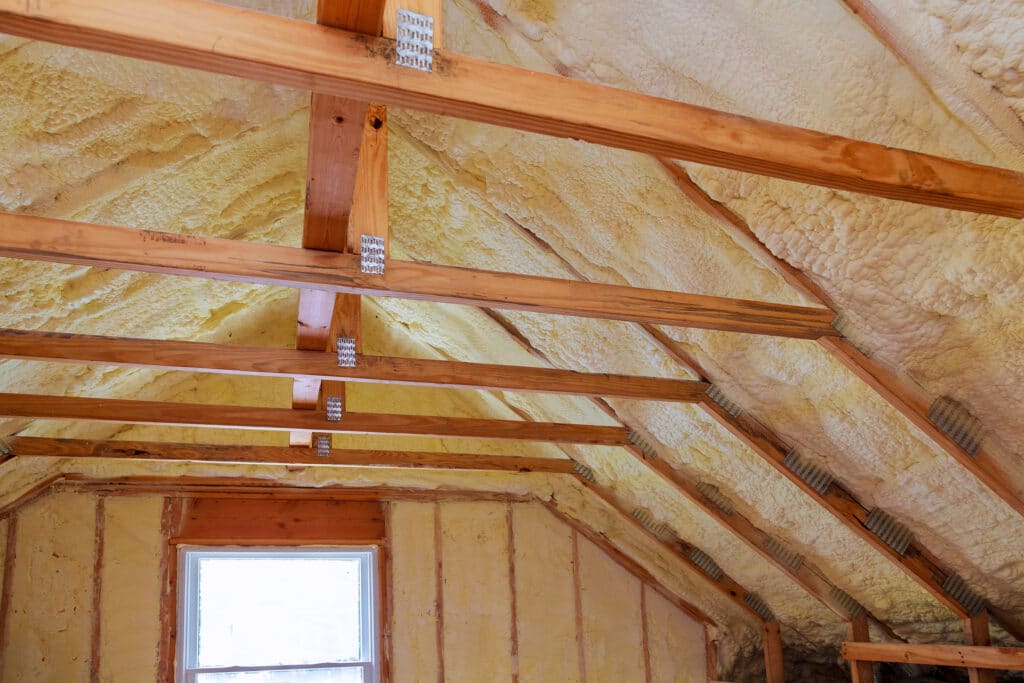
The Role of Roof Color: Light vs. Dark
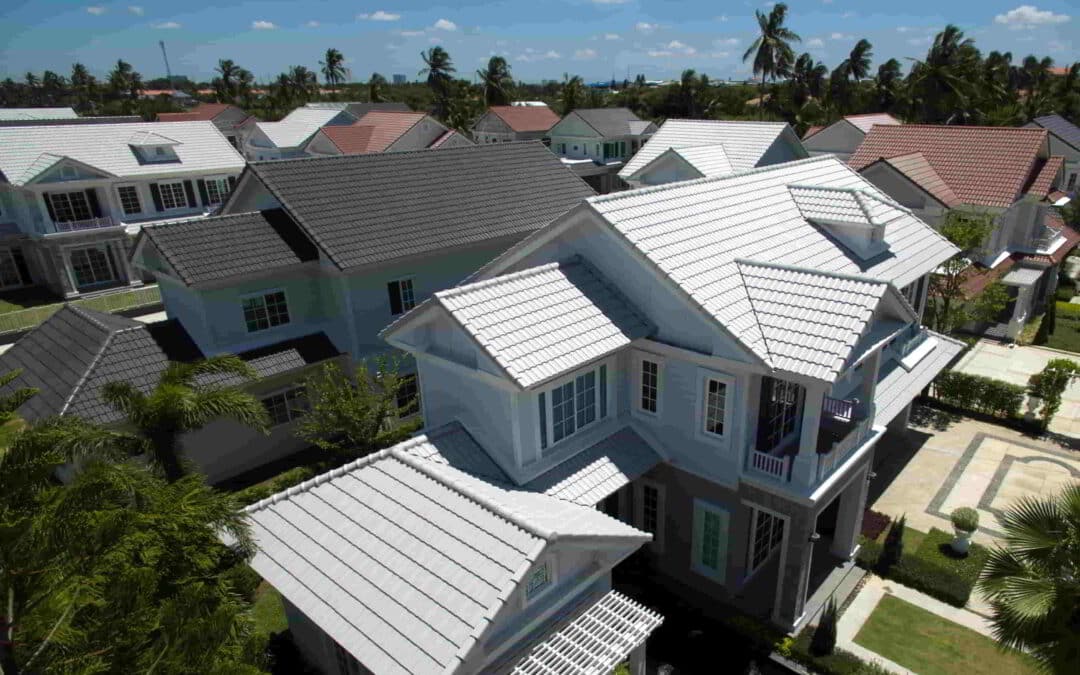
Believe it or not, the color of your roof can have a significant impact on energy efficiency. Light-colored roofs reflect more sunlight and absorb less heat compared to darker-colored ones. In regions with warm climates, opting for a lighter roof color can help keep your home cooler and reduce the need for excessive cooling. While personal aesthetics play a role, it's essential to consider the climate and its effect on your energy consumption when selecting your roof color.Sealants and Energy-Efficient Coatings
Enhancing your roof's energy performance doesn't always require a complete overhaul. Energy-efficient roof coatings and sealants can work wonders too. These coatings are designed to reflect sunlight and minimize heat absorption, helping to maintain a more temperate indoor environment. When your roofer applies these coatings can also extend the life of your roof by protecting it from the sun's harmful rays and environmental wear and tear.Choosing the Right Energy-Efficient Solution
With a plethora of energy-efficient roofing options available, choosing the right one for your home can feel overwhelming. It's crucial to consider factors such as your budget, local climate, and personal preferences. Consulting with a professional roofer is highly recommended. They can assess your unique needs, recommend the most suitable solutions, and ensure proper installation for maximum energy efficiency.Empowering Energy Efficiency
Energy-efficient roofing isn't just a buzzword; it's a game-changer for homeowners looking to lower their energy bills and reduce their environmental impact. From cool roofs to solar panels and everything in between, these innovative solutions offer a brighter, greener future for your home. So, whether you're striving to cut down on energy costs or do your part for the planet, energy-efficient roofing upgrades are the way to go.
Key Takeaways on Why Energy-Efficient Roofing Makes a Real Difference
- Energy-efficient roofing reduces heat absorption, lowers cooling costs, and improves indoor comfort.
- Cool roofs use reflective materials to bounce sunlight away and keep your home cooler in hot weather.
- Solar roofing integrates energy production directly into your home, leading to long-term savings and sustainability.
- Proper insulation and ventilation form the backbone of a truly energy-efficient roof system.
- Roof color, coatings, and sealants all play important roles in controlling heat gain and extending roof life.
FAQs: Understanding Energy-Efficient Roofing Options
What qualifies a roof as energy-efficient? An energy-efficient roof is designed to reduce energy consumption by improving insulation, reflecting sunlight, and allowing for proper ventilation. These features help maintain a comfortable indoor temperature while easing the load on your HVAC system. How much can I save with an energy-efficient roof? While savings vary by climate, material, and home size, many homeowners report reductions of 10–30% in their energy bills after upgrading to energy-efficient roofing systems. Is solar roofing worth the investment? Yes, especially for homeowners in sunny areas. While installation costs can be high, solar roofing can greatly reduce or eliminate your electricity bills over time. Federal and local incentives can also offset initial expenses. Can I make my existing roof more efficient without replacing it? In many cases, yes. Applying reflective coatings, upgrading attic insulation, or improving ventilation can boost efficiency without needing a full roof replacement. Does the color of my roof really affect energy use? It does. Light-colored roofs reflect more sunlight and stay cooler, which is especially beneficial in warmer climates. Darker roofs may be better in colder regions where heat retention is a priority.- About the Author
- Latest Posts
With over 30 years of experience, Advanced Roofing has established itself as a leading roofing contractor in the Northshore, Greater New Orleans area, and now South Mississippi. Specializing in both commercial and residential roofing, as well as vinyl siding and rain gutter installations, our reputation for quality and reliability extends across a wide range of remodeling and repair services.