Longevity
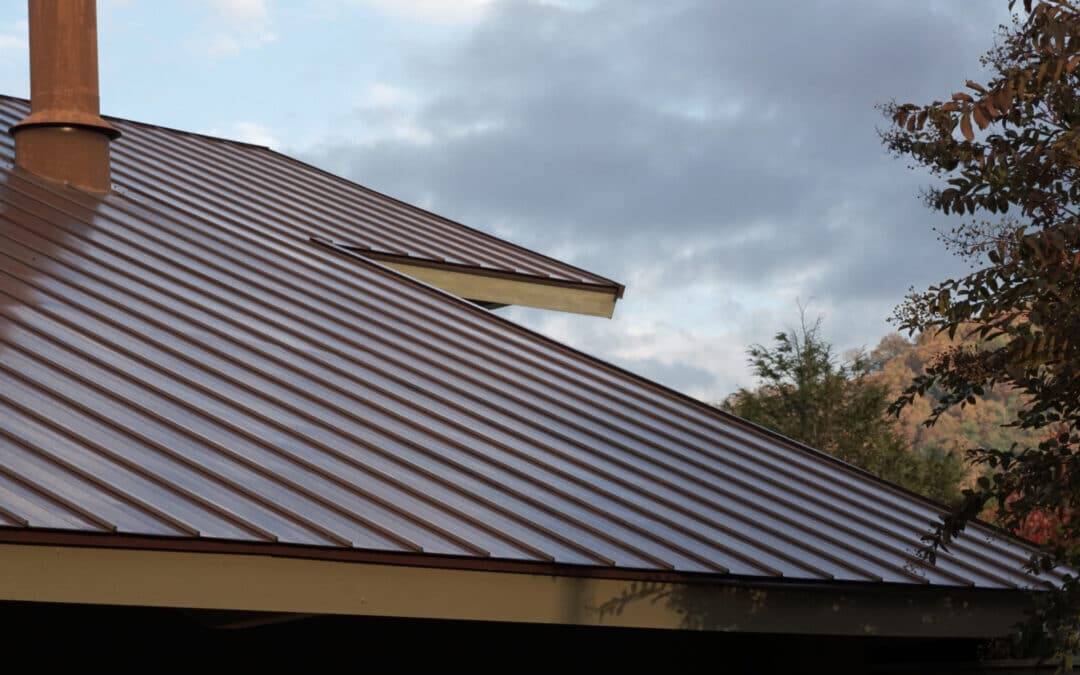
One of the most significant advantages of metal roofing is its longevity. Metal roofs can last 40 to 70 years, depending on the material. In contrast, traditional asphalt roofing materials have an estimated lifespan of roughly 20 to 30 years. This means that while you might pay more upfront for a metal roof, you could save money in the long run because you won’t have to replace your roof as often.Durability
Metal roofs are known for their incredible durability. They can withstand extreme weather conditions such as high winds, heavy snow, hail, and even wildfires. Most metal roofing materials are designed to withstand winds up to 140 miles per hour, and many carry a Class A fire rating, which is the highest fire-resistant rating available. Additionally, metal roofs are resistant to rot, mildew, and pests, which can be a significant advantage in humid climates or wooded areas.Energy Efficiency
Metal roofs reflect solar radiant heat, which can help reduce cooling costs by 10-25%. This is because metal roofing reflects the sun's rays instead of absorbing them like asphalt shingles. This can be particularly beneficial in hot climates where air conditioning costs can be sky-high.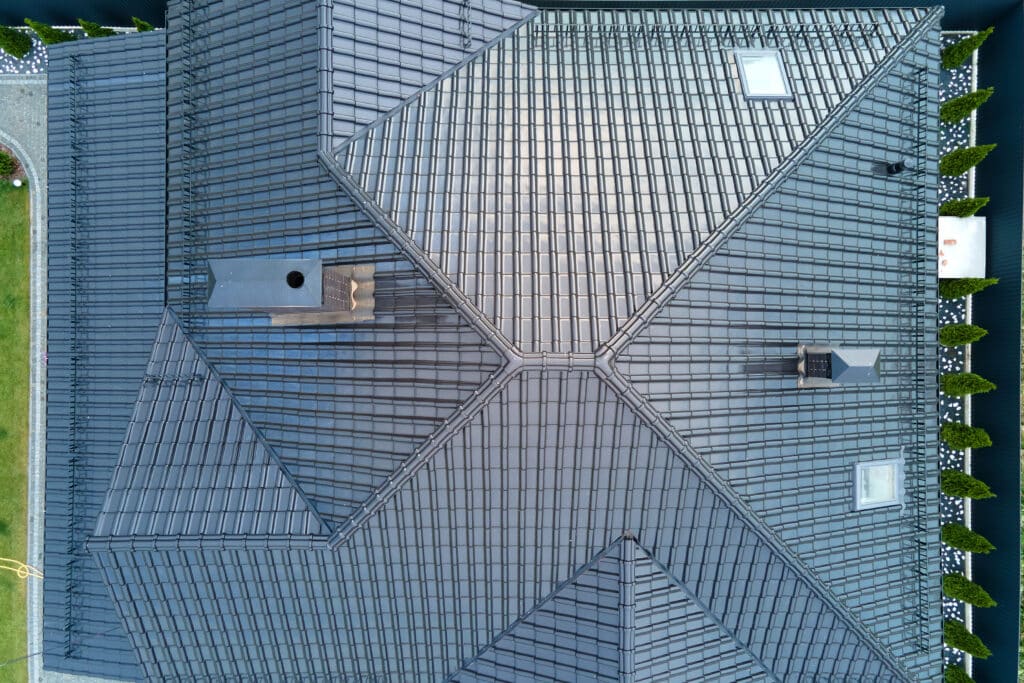
Environmentally Friendly
Metal roofing is an environmentally friendly option for several reasons. First, most metal roofing materials are made from recycled materials and are 100% recyclable at the end of their life. This means that your old roof won’t end up in a landfill, contributing to environmental pollution. Additionally, the reflective surface of a metal roof can help reduce the amount of heat absorbed by your home, which can reduce your carbon footprint.Low Maintenance, High Reward
Metal roofs require very little maintenance compared to other roofing materials. There is no need for regular treatments to prevent moss and algae growth, and there is no risk of rot or insect damage. However, it’s still essential to have your roof inspected periodically to ensure there are no issues, particularly after a severe storm.Beauty
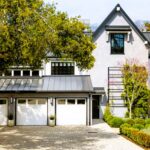
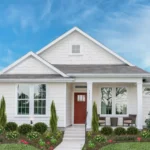
Metal roofing isn’t just practical; it’s also incredibly aesthetically pleasing. Metal roofs are available in a wide variety of styles, colors, and finishes, so you can find one that complements your home perfectly. Additionally, a metal roof can increase the curb appeal and value of your home, which can be a significant advantage if you plan to sell your home in the future.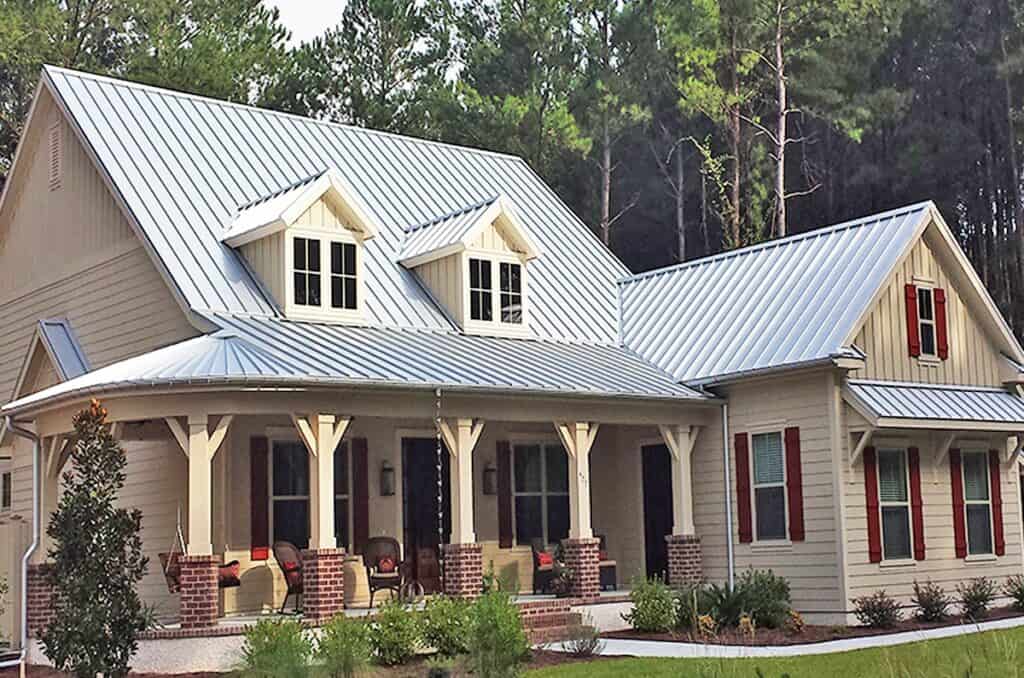
The Million Dollar Question: Cost
While there are many benefits to metal roofing, cost is a significant consideration for most homeowners. Metal roofing is more expensive upfront compared to traditional asphalt shingles. However, it’s essential to consider the long-term costs as well. While you may pay more upfront for a metal roof, you will likely save money in the long run because you won’t have to replace your roof as often, and you may save on energy costs as well. Additionally, a metal roof can increase the value of your home, which can make it a wise investment. There are many benefits to metal roofing, including its longevity, durability, energy efficiency, environmental friendliness, low maintenance requirements, and aesthetic appeal. However, the cost is a consideration, and it’s essential to weigh the long-term benefits against the upfront costs. Ultimately, whether metal roofing is worth the investment depends on your specific situation. If you live in an area with extreme weather conditions, a metal roof may be a wise investment. Similarly, if you plan to stay in your home for many years, the long-term benefits of metal roofing may outweigh the upfront costs.Key Takeaways on Metal Roofing
Metal roofing offers homeowners a mix of durability, energy savings, and visual appeal, but the higher upfront cost can be a deciding factor. Long-term benefits like reduced replacements and lower cooling expenses often balance out the initial investment. For many, it is not just about function but also about adding lasting value to the home.- Metal roofs can last 40–70 years, far longer than asphalt shingles.
- They withstand extreme weather, fire, pests, and mildew with ease.
- Reflective properties can lower cooling costs by up to 25% (ENERGY STAR).
- Most metal roofing materials are recyclable, reducing environmental impact.
- Upfront costs are higher, but maintenance and long-term savings offset expenses.
FAQs About Metal Roofing
Q: How does the lifespan of metal roofing compare to asphalt shingles? A: Asphalt shingles generally last 20–30 years, while metal roofing can last 40–70 years or even longer, depending on the material and maintenance. Q: Do metal roofs make homes noisier when it rains? A: Not necessarily. When installed with proper underlayment and insulation, the sound levels are similar to traditional roofs. Q: Can a metal roof help lower energy bills? A: Yes. Metal roofs reflect solar radiant heat, which can cut cooling costs by 10–25% according to ENERGY STAR studies. Q: Is a metal roof more likely to attract lightning? A: No. Metal does not increase the chance of a lightning strike. If lightning does strike, the roof safely disperses the energy without combusting. Q: Are metal roofs difficult to maintain? A: Metal roofs are low maintenance. Periodic inspections after severe weather are recommended, but they resist moss, rot, and insect damage better than many alternatives.- About the Author
- Latest Posts
With over 30 years of experience, Advanced Roofing has established itself as a leading roofing contractor in the Northshore, Greater New Orleans area, and now South Mississippi. Specializing in both commercial and residential roofing, as well as vinyl siding and rain gutter installations, our reputation for quality and reliability extends across a wide range of remodeling and repair services.