1. Hidden Vulnerabilities
Roofs, although sturdy, have areas that are more susceptible to damage. Flashing, for instance, can become a weak point if not installed or inspected properly. Flashing is essentially the material placed around objects like chimneys or vents that protrude from the roof. Often, inexperienced roofers might overlook these areas or make minor mistakes that can lead to leaks or other issues down the road. Regularly checking these vulnerable points is essential to maintain the longevity of your roof.2. Perfect Pitch Precision
Did you know the angle of your roof, also known as its pitch, can influence how water runs off it? An ideal pitch ensures that water doesn't pool, reducing potential damage. However, achieving this precision isn't as easy as it sounds. An incorrect pitch can lead to water accumulation, mold growth, and even structural damage over time. When installing or repairing a roof, ensure the pitch is optimal to avoid such issues.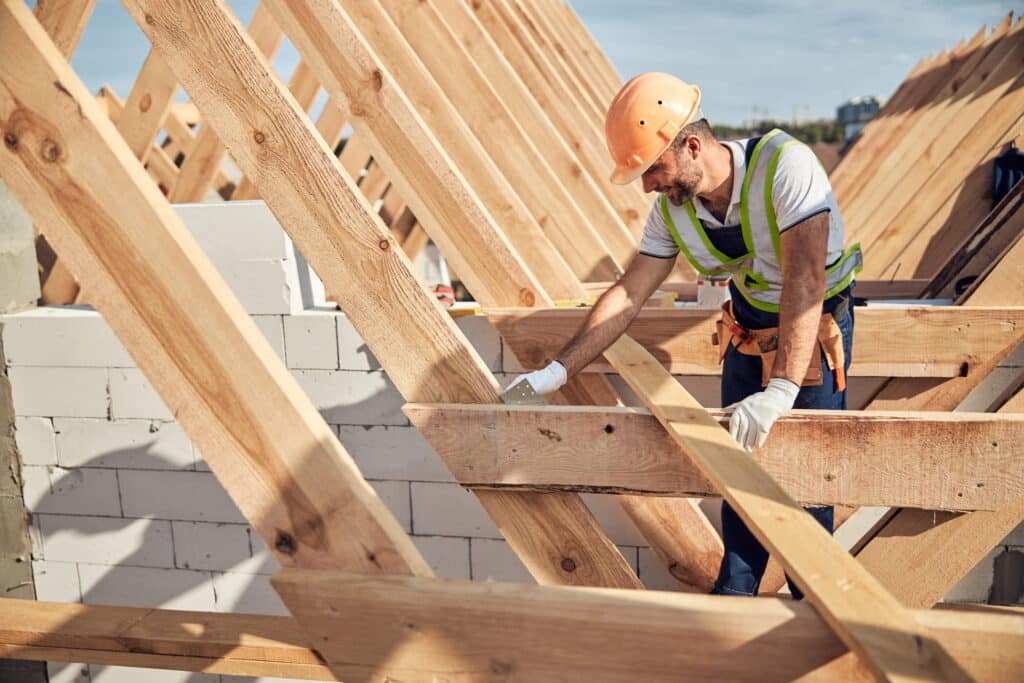
3. Material Matters Most
Every roofing material, whether it's asphalt shingles, metal, or tile, has its own set of benefits and limitations. Some materials might be more durable but costlier, while others are budget-friendly but might not last as long. For instance, metal roofs have a longer lifespan, often lasting 50 years or more. They're also energy-efficient and environmentally friendly. However, they can be pricier upfront than traditional asphalt shingles. Balancing cost with durability is crucial when choosing roofing materials.4. Seasonal Strategies
Roofs bear the brunt of the elements, and different seasons can bring their own set of challenges. For instance, winter's snow and ice can strain a roof, while summer's heat can cause materials to expand and contract, potentially damaging them. Implementing best practices, such as regular inspections and timely repairs, can help in prolonging the life of your roof, no matter the season.5. Rooftop Rain Wisdom
Rain, although refreshing, can pose threats to a roof, especially if there's inadequate runoff. Gutters and downspouts play a vital role in directing water away from the structure. It's essential to ensure these systems are free of debris and properly aligned. An efficient water runoff system can dramatically reduce the risks of leaks and structural damage.6. Underlayment Unveiled
Beneath the visible layer of shingles or tiles lies the unsung hero of roofing: the underlayment. This barrier provides an extra layer of protection against water infiltration. Choosing a high-quality underlayment can significantly enhance the waterproofing and longevity of your roof.7. Attic Ventilation Value
A well-ventilated attic can make a world of difference to the health of your roof. Proper ventilation ensures that heat and moisture don't accumulate, which can otherwise lead to mold growth and even rot the roof's structure. Investing in effective attic ventilation can save homeowners and business owners from costly repairs in the future.
8. Cutting Corners Costs
In the roofing world, shortcuts can lead to long-term problems. Using subpar materials or skipping steps during installation might save time and money in the short term, but they can result in frequent repairs and a reduced lifespan for the roof. Always prioritize quality workmanship and materials.9. Tools of the Trade
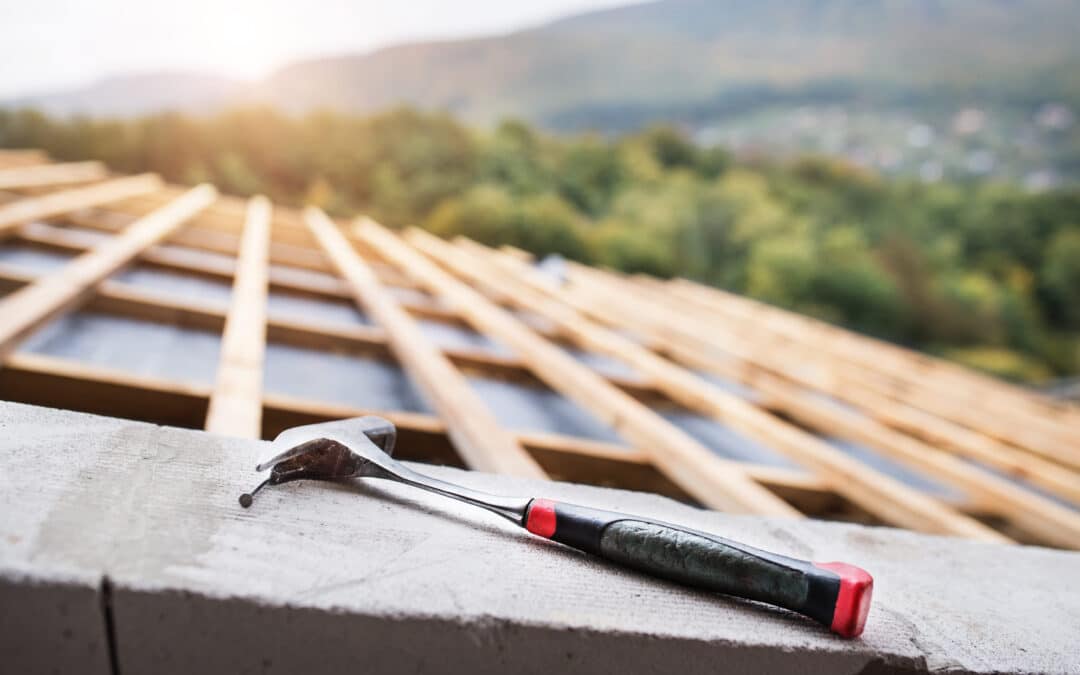
Like any profession, roofing has its set of indispensable tools. From safety harnesses to nail guns, the right tools can enhance precision and efficiency. When hiring a roofer, it's a good idea to inquire about the tools they use. After all, quality tools often hint at quality work. Roofs might seem straightforward, but there's a lot that goes into ensuring they're durable, aesthetic, and safe. Whether it's understanding the nuances of materials or recognizing the importance of attic ventilation, professional expertise can make all the difference. For homeowners and business owners, being informed can lead to better decisions and peace of mind. So, next time you consider a roofing project, tap into these professional insights and ensure your roof stands the test of time.Key Takeaways
Roofs are more than a surface of shingles or panels, they are complex systems that depend on many hidden details. Proper flashing, correct pitch, durable materials, and adequate ventilation all contribute to long-term performance. Cutting corners or skipping regular inspections can shorten a roof’s life and increase costs. Informed decisions supported by quality workmanship protect both property and investment.- Flashing, gutters, and underlayment are small details that prevent major leaks.
- Roof pitch, material selection, and attic ventilation all influence lifespan.
- Seasonal inspections and professional tools ensure roofs remain safe and durable.
- Cheap shortcuts in installation often lead to expensive long-term repairs.
- Quality underlayment and ventilation support energy efficiency and prevent mold growth.
FAQs About Roof Performance and Longevity
Q: Why is flashing such a critical part of a roof? A: Flashing seals vulnerable areas like chimneys, vents, and valleys. If it fails, water intrusion can spread quickly, causing leaks and structural damage. Q: How does roof pitch affect its durability? A: A roof with the correct slope sheds water efficiently. Poor pitch can lead to pooling, mold growth, and premature wear of materials. Q: What role does attic ventilation play in roof health? A: Ventilation prevents moisture buildup and reduces heat stress. Without it, wood components can rot and shingles can deteriorate faster. Q: Are all underlayments the same? A: No, underlayments vary in material and quality. A higher-grade product provides stronger protection against water infiltration and extends roof life. Q: How often should gutters and downspouts be checked? A: At least twice a year, ideally in spring and fall. Clear gutters allow proper water runoff and prevent leaks or damage at the roofline.- About the Author
- Latest Posts
With over 30 years of experience, Advanced Roofing has established itself as a leading roofing contractor in the Northshore, Greater New Orleans area, and now South Mississippi. Specializing in both commercial and residential roofing, as well as vinyl siding and rain gutter installations, our reputation for quality and reliability extends across a wide range of remodeling and repair services.