Storm Proofing Secrets for Stronger Roofs
Roofs are more than coverings that shield a building from rain or shine. They are barriers that stand between families and the harshest elements of nature. Storm proofing a roof is not just a precaution; it is a safeguard against costly repairs and structural risks. Storm proofing secrets can help property owners secure their investments and feel confident when weather turns violent. This discussion will focus on practical ways to reinforce roofs and prepare them for unpredictable storms.Why Storm Proofing Matters for Every Home
Many underestimate the power of storms until water drips through the ceiling or shingles scatter across the yard. Imagine a home that seems fine on a sunny day but quickly reveals weaknesses during a thunderstorm. Storm proofing a roof provides peace of mind by reducing those risks. An experienced roofing crew once inspected a 15-year-old shingle roof that looked fine from the street, but hidden cracks around flashing told another story, one that could have led to serious leaks during hurricane season.- NOAA reports that the United States averages over 1,200 tornadoes each year, with wind speeds capable of tearing away poorly secured roofing.
- The Federal Emergency Management Agency (FEMA) highlights roof damage as one of the most common results of severe storms.
- Insurance claims for roof repairs often run into thousands of dollars after major weather events.
Finding Weak Points Before the Storm
A strong defense begins with a thorough inspection. Roof vulnerabilities often hide in plain sight, such as curling shingles, corroded flashing, or clogged gutters. Professional inspections spot issues homeowners might miss, which is why annual checkups are critical. Catching problems early ensures that roofs are reinforced before storms arrive.- Water stains in an attic can signal unseen leaks.
- Loose shingles become dangerous projectiles during high winds.
- Cracked flashing often allows water intrusion at chimneys and vents.
Choosing Materials That Can Withstand Storms
The right material makes all the difference when weather becomes unpredictable. Asphalt shingles are popular, but impact-resistant versions offer better protection against hail. Metal roofing, though more costly upfront, can last 40 to 70 years and resist winds up to 140 miles per hour according to the Metal Roofing Alliance. Clay tiles are beautiful but must be properly installed to avoid breakage in violent weather.- Impact-resistant shingles are rated by Underwriters Laboratories to withstand hail up to 2 inches in diameter.
- Metal roofs often carry Class A fire ratings, the highest available.
- Clay and concrete tiles can last a century when maintained correctly.
Strengthening the Roof’s Structure
A roof is only as strong as the support beneath it. Reinforcing trusses, adding hurricane clips, and securing rafters make a roof better equipped to resist wind uplift. Without these reinforcements, even quality shingles may fail. Structural upgrades pay off when storms deliver relentless pressure across wide surfaces.- FEMA recommends hurricane straps to keep roofs anchored during high winds.
- Extra bracing in attic spaces prevents sagging under heavy rain or snow loads.
- Professional installation ensures reinforcements comply with building codes.
Securing Every Component
Small details often decide whether a roof weathers a storm or fails. Shingles nailed with precision resist uplift better than those installed carelessly. Flashing around chimneys and skylights must be tight to prevent water intrusion. Gutters should remain clear so rainwater drains away rather than pooling at the roofline.- Using wind-resistant nails improves fastening strength.
- Clean gutters reduce risks of overflow and water damage.
- Proper flashing techniques guard against leaks in critical areas.
Adding Sealants and Barriers
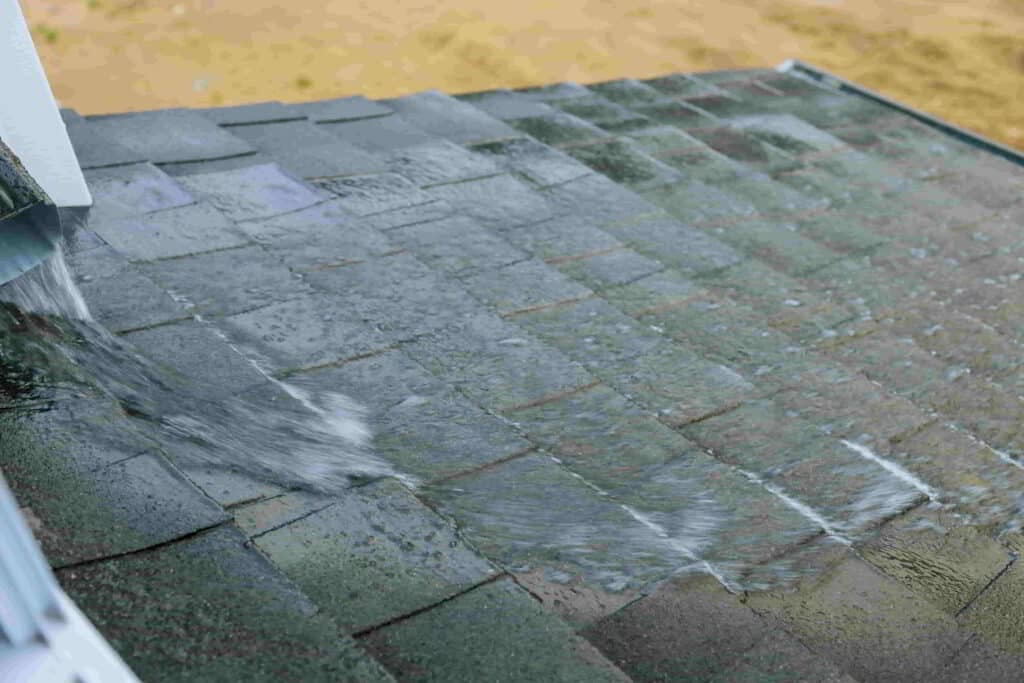
Sealants and underlayment provide hidden layers of protection. High-quality sealant applied to vents and chimneys reduces the chance of leaks during heavy rain. Waterproof underlayment beneath shingles serves as a backup defense when outer layers are damaged. These invisible shields often make the difference between minor repairs and major restoration work after a storm.- Synthetic underlayments offer greater water resistance than traditional felt.
- Properly applied sealant blocks moisture around roof penetrations.
- Secondary barriers can extend roof lifespan by reducing water exposure.
Ventilation and Insulation Upgrades
Healthy airflow in the attic prevents heat and moisture buildup that can weaken roof structures. Proper ventilation extends shingle life and improves energy efficiency. Insulation adds another layer of defense, keeping homes comfortable while reducing strain on heating and cooling systems. Together, these upgrades support both storm resistance and long-term performance.- The Environmental Protection Agency links poor ventilation to mold and rot in attic spaces.
- Proper insulation reduces energy loss and keeps interior temperatures steady.
- Balanced intake and exhaust vents improve air circulation year-round.
Planning for Emergencies
Even the best roof can face damage during severe storms. Families should have a plan that includes securing loose outdoor items, identifying safe indoor spaces, and knowing when to seek professional help afterward. A clear plan reduces panic and ensures that small roof issues are addressed quickly before they worsen. Emergency preparedness complements physical reinforcements by ensuring households respond calmly and effectively.- Keep tarps and basic repair supplies on hand for temporary fixes.
- Document roof conditions with photos for insurance purposes.
- Know local emergency contacts for quick response after a storm.
Routine Inspections Keep Roofs Ready
Storm proofing does not end with one round of improvements. Regular inspections maintain roof integrity over time. Professional roofers can detect early warning signs long before they become visible indoors. Consistent upkeep ensures that roofs remain ready for whatever the weather delivers.- The National Roofing Contractors Association recommends at least two roof inspections per year.
- Seasonal maintenance reduces risks of leaks and structural issues.
- Proactive care extends the overall lifespan of roofing systems.
Long-Term Protection Through Storm Proofing
Storm proofing is not just about shingles and nails; it is about protecting property, family, and peace of mind. By selecting resilient materials, reinforcing structures, securing components, and maintaining ventilation, homeowners can extend roof life while reducing risks. Combining regular inspections with emergency planning creates a layered defense against storms. When roofs are treated as essential systems rather than afterthoughts, they serve faithfully for decades.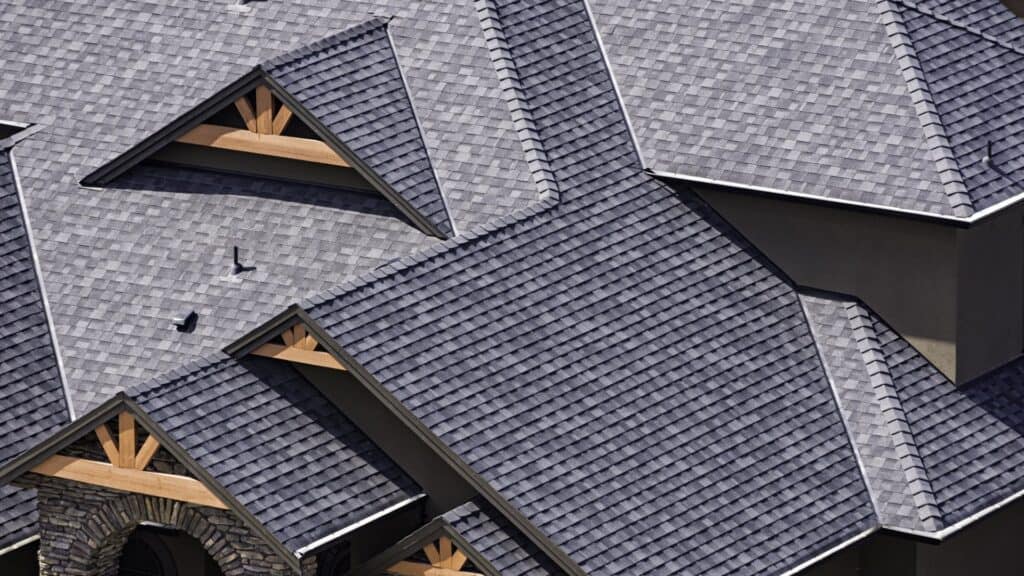
Key Takeaways on Storm Proofing Secrets
- Storm proofing a roof reduces the risk of costly damage and insurance claims.
- Resilient materials like metal or impact-resistant shingles provide better long-term performance.
- Structural reinforcements and secure fastening systems are essential in high-wind regions.
- Sealants, underlayments, and ventilation upgrades strengthen hidden defenses.
- Routine inspections and emergency planning ensure roofs remain storm ready year after year.
Frequently Asked Questions About Storm Proofing Roofs
How often should roofs be inspected for storm readiness? Most experts recommend inspections at least twice a year and after major storms to identify potential vulnerabilities early. What type of roofing material lasts longest during extreme weather? Metal roofing often outperforms others, with lifespans of 40 to 70 years and high resistance to wind, hail, and fire. Can storm proofing improve home energy performance? Yes, improvements such as attic ventilation and upgraded insulation reduce energy waste while reinforcing roof strength. Are sealants alone enough to prevent leaks? Sealants help, but they should be paired with quality flashing, underlayment, and secure shingles for full protection. Does storm proofing increase property value? A well-maintained and reinforced roof often increases resale value because buyers see reduced risk and lower future costs.- About the Author
- Latest Posts
With over 30 years of experience, Advanced Roofing has established itself as a leading roofing contractor in the Northshore, Greater New Orleans area, and now South Mississippi. Specializing in both commercial and residential roofing, as well as vinyl siding and rain gutter installations, our reputation for quality and reliability extends across a wide range of remodeling and repair services.