Detect the Sneaky Signs of Trouble
Roof damage isn’t always obvious. In fact, some of the most common signs of trouble are easy to overlook. Here are a few signs that it might be time for a roof inspection:- Visible Damage: Missing shingles, sagging areas, and visible holes are clear indicators that your roof needs attention. However, even minor damages like cracked or curling shingles can lead to leaks and should be addressed promptly.
- Leaks and Water Damage: Water stains on your ceiling or walls are often a sign of a leaky roof. Additionally, if you notice mold or mildew growth in your attic or on your ceiling, it could be due to poor roof ventilation or leaks.
- Aging Roof: Most roofs have a lifespan of 20-30 years, depending on the material. If your roof is approaching this age, it’s a good idea to have it inspected to assess its condition.
- After a Storm: Extreme weather events like heavy rain, hail, or strong winds can cause significant damage to your roof. It’s always a good idea to have your roof inspected after a storm to assess any potential damage.
- Granules in the Gutters: Roof shingles are coated with granules to protect them from the sun’s UV rays. Over time, these granules can wear off and end up in your gutters. If you notice a significant amount of granules in your gutters, it could be a sign that your shingles are wearing out.
The Hidden Dangers of Neglecting Roof Inspections
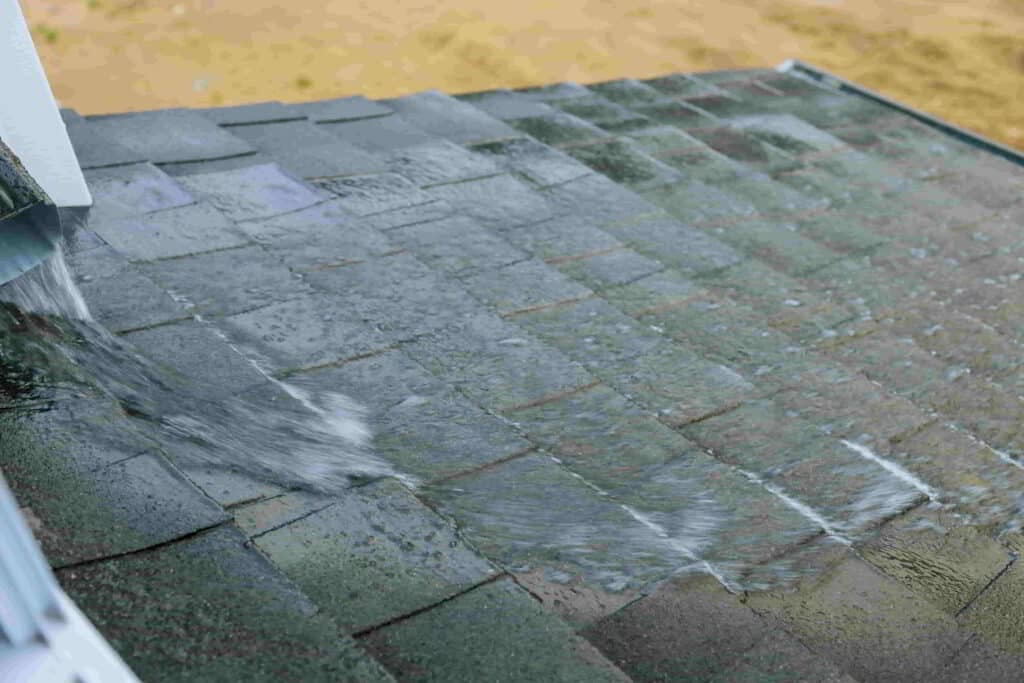
Neglecting roof inspections can lead to a host of problems. Small issues that go unnoticed can turn into major problems that require costly repairs. For example, a small leak can lead to water damage, mold growth, and structural issues if left untreated. Additionally, a neglected roof can decrease the value of your property and can even pose health risks due to mold and mildew growth.How Often is “Often Enough”?
The frequency of roof inspections can vary depending on the climate and the type of roof you have. However, as a general rule, it’s a good idea to have your roof inspected at least once a year. If you live in an area with extreme weather conditions, such as heavy rain, snow, or high winds, it’s advisable to have your roof inspected more frequently. Additionally, roof inspections by a professional roofer are essential as they can identify issues that may not be visible to the untrained eye.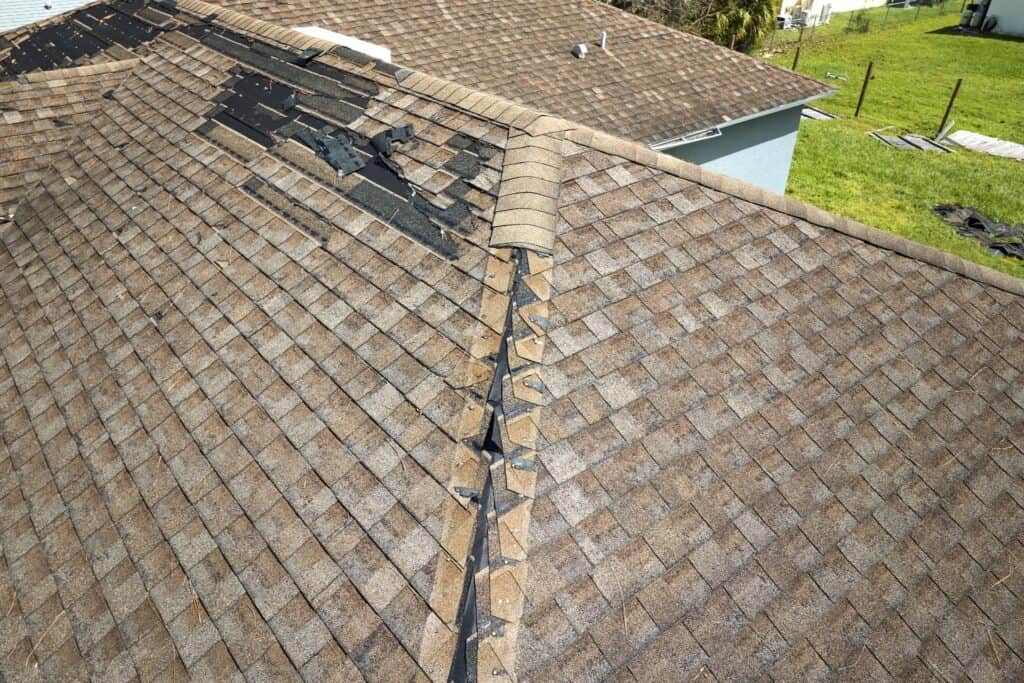
What’s the Deal with Professional Roof Inspections?
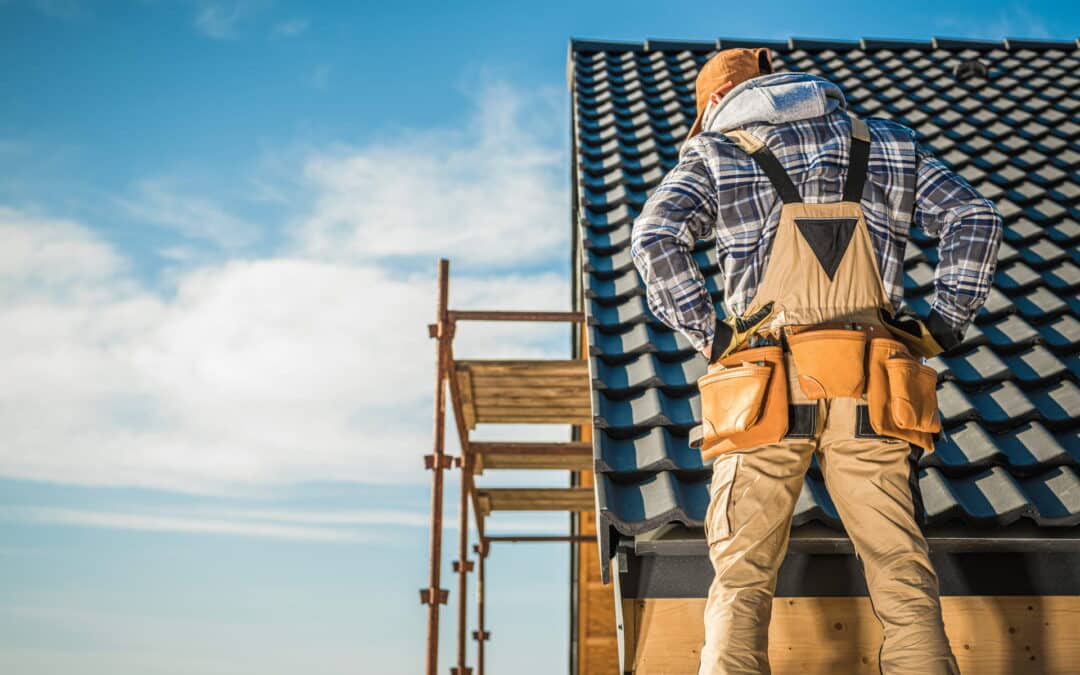
A professional roof inspection involves a thorough examination of your roof to identify any potential problems. The inspector will check the roof covering, the drainage system, the flashings, the chimney, and the roof penetrations like vents and skylights. They will also assess the overall condition of the roof and provide recommendations for any necessary repairs or maintenance. Regular roof inspections by a professional roofer are crucial for maintaining the integrity of your roof and preventing costly repairs. If you notice any signs of trouble, such as visible damage, leaks, or an aging roof, it’s important to schedule an inspection as soon as possible. Additionally, it’s a good idea to have your roof inspected at least once a year and after any major weather events. Remember, preventative maintenance is the key to a long-lasting roof. Don’t wait for a leak to appear or for your roof to start sagging. If you recognize any of the signs mentioned in this article, or if it’s been a while since your last roof inspection, it’s time to take action. Contact a professional roofing contractor to schedule an inspection and ensure the longevity and integrity of your roof.Key Takeaways on Roof Inspections
Regular roof inspections are more than just routine maintenance, they are critical for protecting your home, extending the life of your roof, and saving money on future repairs. Many problems are invisible from the ground, which makes professional assessments invaluable. By scheduling inspections on a consistent basis, you reduce the risk of structural damage, water intrusion, and even health issues from mold.- Roof inspections should be done at least once a year, and after major weather events.
- Common warning signs include leaks, missing shingles, granules in gutters, and visible sagging.
- Neglecting inspections can lead to expensive repairs, reduced property value, and potential health risks.
- Professional inspectors evaluate flashing, drainage, vents, skylights, and overall roof condition.
- Preventative maintenance extends roof lifespan and helps avoid sudden emergencies.
FAQs About Roof Inspections
Q: Why should I get my roof inspected if I don’t see any damage? A: Many issues, like small leaks or flashing problems, aren’t visible until they cause major damage. Inspections catch these early. Q: How much does a professional roof inspection usually cost? A: Prices vary by region, but most inspections range from $150 to $400 depending on roof size and complexity. Q: Can I inspect my own roof instead of hiring a professional? A: Homeowners can spot obvious issues from the ground, but professionals are trained to identify hidden problems safely and thoroughly. Q: Does homeowner’s insurance cover roof inspections? A: Insurance typically doesn’t cover routine inspections, but it may cover damage found during an inspection if caused by a covered event like a storm. Q: When is the best time of year for a roof inspection? A: Spring and fall are ideal since they prepare your roof for harsher seasons, though inspections are recommended after any major storm.- About the Author
- Latest Posts
With over 30 years of experience, Advanced Roofing has established itself as a leading roofing contractor in the Northshore, Greater New Orleans area, and now South Mississippi. Specializing in both commercial and residential roofing, as well as vinyl siding and rain gutter installations, our reputation for quality and reliability extends across a wide range of remodeling and repair services.