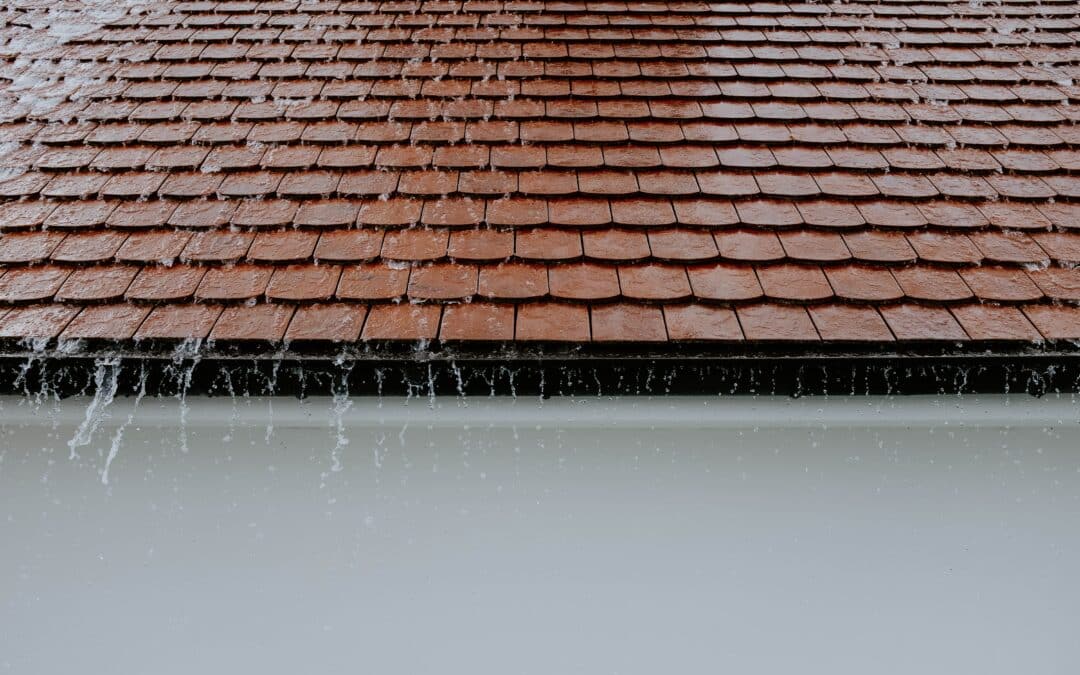
1. Regular Inspections
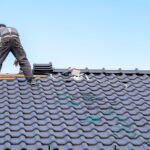
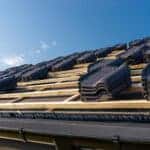
Regular roof inspections are crucial to identify and address any potential issues before they escalate into significant problems. It is recommended to inspect your roof at least twice a year, preferably in the spring and fall. During the inspection, look for signs of damage such as missing or damaged shingles, loose flashing, or sagging areas. Pay attention to areas prone to leaks, such as around chimneys, vents, and skylights. If you're not comfortable conducting the inspection yourself, hire a professional roofing contractor to assess the condition of your roof.2. Clean Gutters and Downspouts
Clogged gutters and downspouts can lead to water accumulation on your roof, causing damage over time. Regularly clean out debris, leaves, and twigs from your gutters to ensure proper water drainage. Install gutter guards to prevent debris buildup and minimize the frequency of cleaning. It's also essential to check that downspouts are directing water away from your home's foundation to prevent water damage.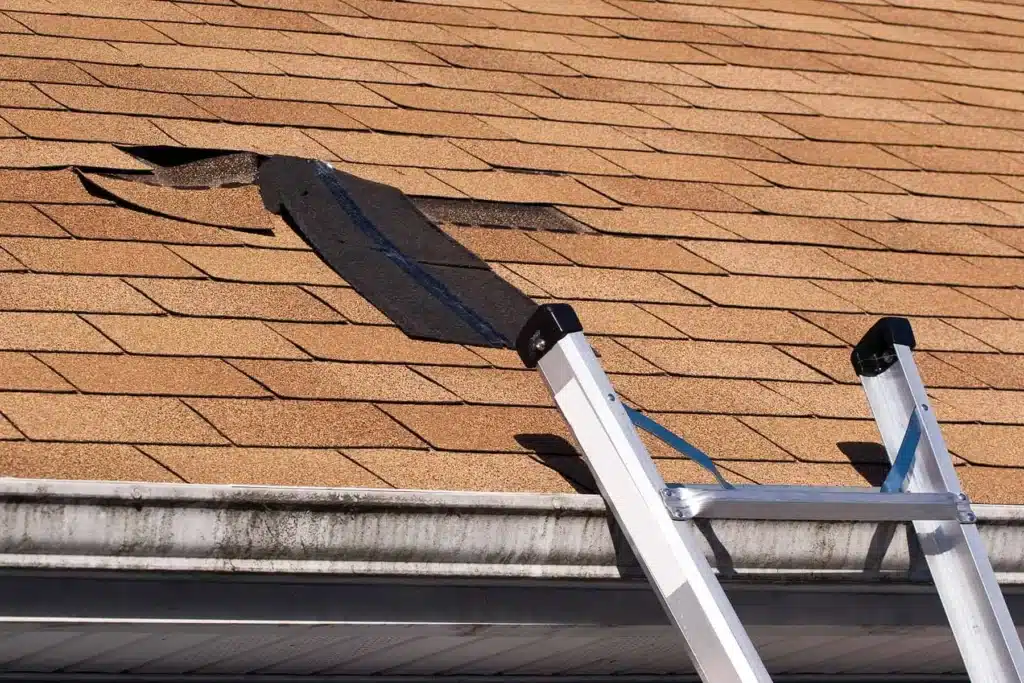
3. Trim Overhanging Trees
Trees near your house can pose a threat to your roof, especially during storms or high winds. Overhanging branches can scrape against the shingles, causing damage or even puncturing the roof. Trim back any branches that are within close proximity to your roof to minimize this risk. It's recommended to hire a professional tree service if the branches are difficult to reach or if you're unsure about the proper trimming techniques.4. Remove Debris
Hurricanes and strong storms often leave debris scattered around your property, including your roof. Promptly remove any fallen branches, leaves, or other debris from your roof after a storm. Accumulated debris can trap moisture, leading to mold growth and weakening of the roof structure.5. Address Roof Leaks Immediately
Even a small roof leak can cause significant damage if left unattended. If you notice signs of a leak, such as water stains on your ceiling or dampness in your attic, address it promptly. Ignoring a leak can result in mold growth, rotting wood, and even structural damage. Hire a professional roofer to locate the source of the leak and make the necessary repairs.6. Proper Ventilation
Effective roof ventilation is vital for the longevity of your roof, especially where high temperatures are common. Proper ventilation helps regulate the temperature in your attic, preventing excessive heat buildup that can damage the roof's structure and shingles. Ensure that your attic is adequately ventilated with soffit vents, ridge vents, or powered vents, depending on your specific roof design and needs.7. Avoid Walking on the Roof
While it's tempting to climb onto your roof for various reasons, it's generally best to avoid walking on it unless necessary. Walking on the roof can cause unnecessary stress on the shingles, potentially leading to damage or dislodgement. If you need to access your roof for maintenance or repairs, consider hiring a professional with the necessary experience and safety equipment.8. Professional Roof Maintenance
Regular professional roof maintenance can greatly contribute to the longevity and durability of your roof. Consider scheduling annual or bi-annual roof inspections and maintenance with a reputable roofing contractor. These professionals have the knowledge and expertise to identify potential issues, perform necessary repairs, and provide valuable advice on maintaining your roof's integrity. They can also conduct thorough cleanings, remove algae or moss growth, and apply protective coatings to enhance your roof's resistance to the elements.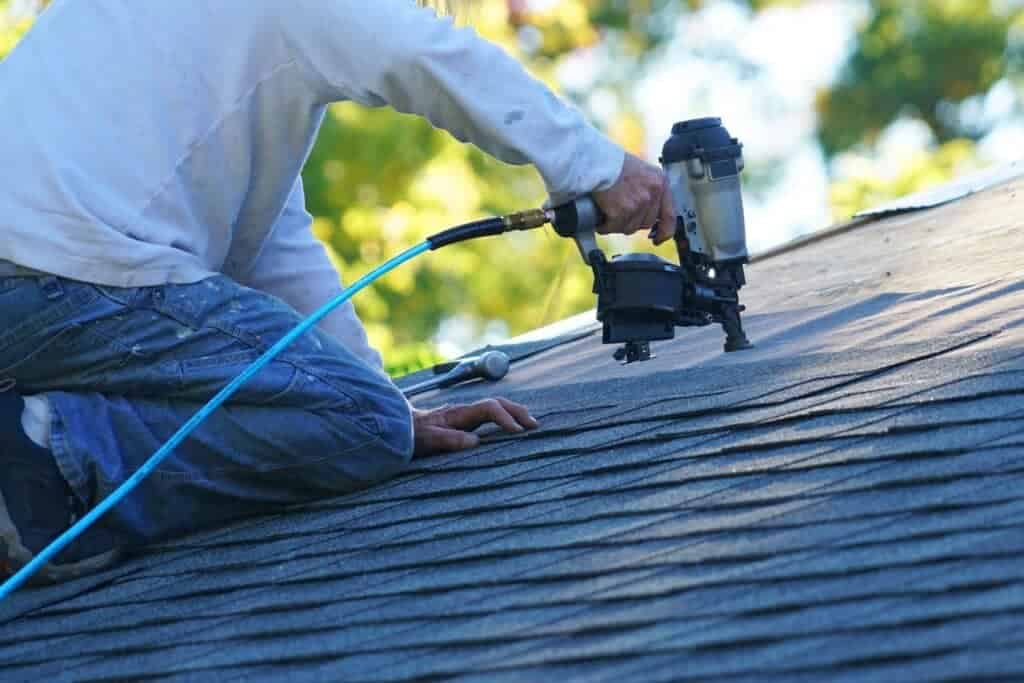
9. Address Moss and Algae Growth
A humid climate provides ideal conditions for moss and algae growth on roofs. While moss may seem harmless, it can retain moisture and accelerate the deterioration of your roof's shingles. Algae, on the other hand, can create unsightly black streaks and stains. To prevent and address moss and algae growth, keep your roof clean and free of debris, trim overhanging tree branches to increase sunlight exposure, and consider applying zinc or copper strips along the ridge of your roof. These metals release ions that inhibit moss and algae growth.10. Consider Roof Coatings
Roof coatings can provide an additional layer of protection for your roof. They can enhance your roof's durability, reflect sunlight, and improve energy efficiency. Depending on your roof's material, consult with a professional roofer to determine the appropriate coating for your specific needs. Roof coatings can help prolong the lifespan of your roof and reduce the risk of damage from UV rays, temperature fluctuations, and moisture.11. Actively Monitor for Signs of Damage
Be proactive in monitoring your roof for signs of damage or deterioration. Look for cracked or curling shingles, loose or missing flashing, rusted metal components, or any other indications of wear and tear. Promptly address these issues by hiring a qualified roofing professional. Remember, the earlier you identify and resolve problems, the better chance you have of preventing more extensive damage and costly repairs in the future.12. Understand and Maintain Your Warranty
If your roof is still under warranty, it's essential to familiarize yourself with the warranty terms and conditions. Understand what is covered and what actions may void the warranty. Some warranties may require regular maintenance or specific repair procedures to remain valid. Adhere to the warranty guidelines and keep documentation of any maintenance or repairs performed on your roof. Maintaining the longevity and durability of your roof requires proactive care and regular attention. By following these tips, you can minimize the risk of damage caused by the local climate and ensure your roof remains in optimal condition. Remember that prevention and timely repairs are key to avoiding costly and extensive roof damage. Prioritize regular inspections, address issues promptly, and seek professional assistance when needed. A well-maintained roof will provide you with peace of mind and protect your home for years to come.Key Takeaways for Maintaining Roof Longevity and Durability
- Inspect your roof at least twice a year and after major storms to catch damage early.
- Keep gutters and downspouts clear to ensure proper drainage and prevent water buildup.
- Trim overhanging branches and remove storm debris to avoid physical damage and moisture retention.
- Address roof leaks immediately to prevent mold growth and structural deterioration.
- Ensure proper attic ventilation to reduce heat buildup and prolong shingle life.
- Schedule professional inspections and maintenance annually or bi-annually.
- Monitor for moss and algae growth, which can weaken shingles and reduce roof lifespan.
- Consider protective roof coatings to enhance resistance to UV rays, heat, and moisture.
- Know your roof’s warranty terms and follow required maintenance to keep coverage valid.
Frequently Asked Questions About Roof Longevity
How often should a roof be inspected? Most experts, including the National Roofing Contractors Association, recommend inspections twice a year, ideally in spring and fall, plus after major storms. Can clogged gutters really damage my roof? Yes. Blocked gutters trap water on the roof, which can seep under shingles, cause leaks, and damage both the roof and home’s foundation. What signs indicate moss or algae are harming my roof? Green patches, black streaks, or damp areas that remain wet longer than the rest of the roof often signal moss or algae growth, which can shorten roof lifespan. Is it safe to pressure wash a roof to clean debris? No. High-pressure washing can strip granules from shingles or crack tiles. Use gentle cleaning methods recommended by roofing professionals. How long does a typical roof coating last? Most protective roof coatings last 5–10 years depending on the product and climate. Reapplication can extend roof life and improve energy performance.- About the Author
- Latest Posts
With over 30 years of experience, Advanced Roofing has established itself as a leading roofing contractor in the Northshore, Greater New Orleans area, and now South Mississippi. Specializing in both commercial and residential roofing, as well as vinyl siding and rain gutter installations, our reputation for quality and reliability extends across a wide range of remodeling and repair services.