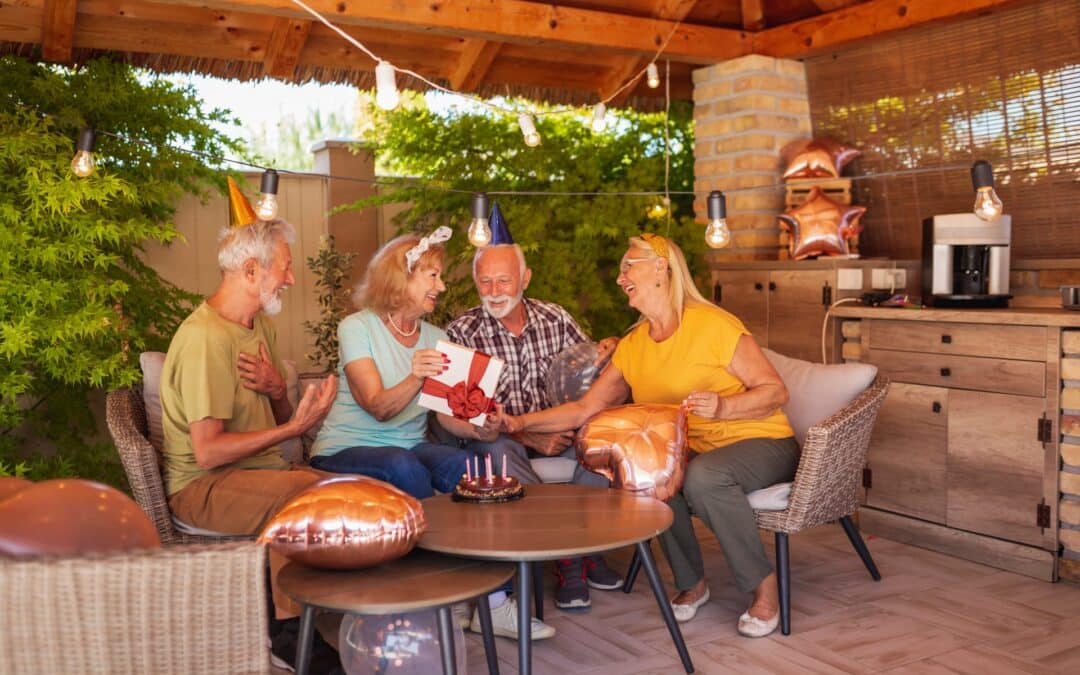
Installing a patio cover can significantly enhance your outdoor space, making it a pivotal feature of your home or business. Not only does it allow for more comfortable gatherings regardless of weather conditions, but it can also transform your patio into a year-round haven for relaxation and entertainment. This article will explore the numerous benefits patio covers offer and how you can choose, install, and maintain one effectively. We'll delve into the ways a patio cover can revolutionize your outdoor gatherings, providing a comfortable and stylish setting for any event.
Experience the Transformation: Patio Covers in Action
Many homeowners and business owners have seen how patio covers can turn exposed outdoor areas into spaces that are easier to use during sunny or changing weather. A café might add a retractable cover to create more dependable outdoor seating, while a family may use a covered patio for meals, gatherings, and everyday recreation. The U.S. Department of Energy highlights a Zero Energy Ready Home where covered patios shade windows from solar heat gain while supporting natural ventilation during comfortable evenings. The value comes from creating useful shade while keeping the outdoor area connected to the building.
- Patio covers can create more usable outdoor space.
- Shade can make seating and recreation areas more comfortable.
- Designs can be coordinated with the property's existing architecture.
Benefits of Patio Covers
Patio covers provide shade for people, windows, doors, furniture, and other surfaces that would otherwise receive direct sunlight for long periods. Shading can also reduce unwanted solar heat entering nearby rooms, which may lessen cooling demand when the cover is positioned effectively. U.S. Department of Energy testing found that exterior shading reduced cooling energy use by 9% to 25% during laboratory-home testing compared with interior vinyl shades. Actual savings from a patio cover depend on orientation, cover depth, window placement, climate, and building design.
- Shade can protect outdoor furnishings from prolonged sun exposure.
- Covering nearby windows may reduce unwanted solar heat gain.
- A usable covered area can support dining, seating, or recreation.
Choosing the Right Patio Cover
Selecting a patio cover involves more than deciding between aluminum, wood, or another material because structural loads, attachment points, dimensions, and local weather exposure also matter. FEMA's compilation of wind-resistant building provisions states that patio covers should be designed to resist minimum wind and seismic loads established by the applicable building code. Property owners in hurricane-prone regions should pay particular attention to fastening, posts, footings, connections, and the way an attached cover transfers forces into the building. Material appearance matters, but structural compatibility should guide the final choice.
- Compare materials based on maintenance, weight, exposure, and appearance.
- Confirm that posts, fasteners, and attachment points meet structural requirements.
- Choose dimensions that provide useful coverage without interfering with drainage or access.
Tips for Patio Covers
Planning should address permits, structural loads, drainage, electrical additions, and how the patio cover connects with the existing building before installation begins. Building-code provisions referenced by FEMA specify a minimum vertical live load of 10 pounds per square foot for qualifying patio covers, unless applicable snow loads require a greater design load. A roofer familiar with attached patio systems can also examine roofline connections, flashing, runoff paths, and penetrations so the new structure does not create an avoidable leak point. Lights, fans, or other electrical features should be planned with the appropriate trades and code requirements rather than added as an afterthought.
- Check local permit and inspection requirements before construction.
- Plan flashing, drainage, posts, footings, and roof connections carefully.
- Use qualified professionals for structural and electrical work when required.

Patio Cover Maintenance
Maintaining a patio cover helps preserve its appearance while giving property owners a chance to catch loose connections, corrosion, cracks, drainage trouble, or storm damage before those issues spread. The U.S. General Services Administration requires corrosion protection for carbon-steel connections and fasteners exposed to weather, highlighting why hardware deserves attention on outdoor structures. A roofer can inspect areas where an attached patio cover meets the roofline, including flashing, fasteners, sealants, and drainage paths that could contribute to water intrusion. Seasonal checks are especially useful after strong winds, heavy rain, or other weather capable of loosening panels and connections.
- Clean leaves, dirt, and other debris from the cover and drainage areas.
- Inspect fasteners, posts, panels, flashing, and connections after severe weather.
- Repair corrosion, loose hardware, cracks, or leaks before damage spreads.
Patio Cover Features for Entertaining
A covered patio can support lighting, fans, speakers, televisions, cooking areas, and other features that make gatherings easier to host throughout the year. Electrical planning deserves special attention because outdoor equipment is exposed to moisture, temperature swings, and physical wear. The U.S. Consumer Product Safety Commission states that outdoor extension cords must have jacketed construction, and cords made only for indoor use are not designed to withstand outdoor temperature, humidity, and mechanical stresses. Permanent lighting, fans, receptacles, and entertainment equipment should be selected and installed for outdoor conditions rather than relying on indoor products moved outside temporarily.
- Choose lighting, fans, and electrical equipment rated for outdoor use.
- Plan outlets and wiring before adding televisions, speakers, or cooking equipment.
- Arrange seating and entertainment features without blocking walkways or drainage.
Styling Your Patio Cover
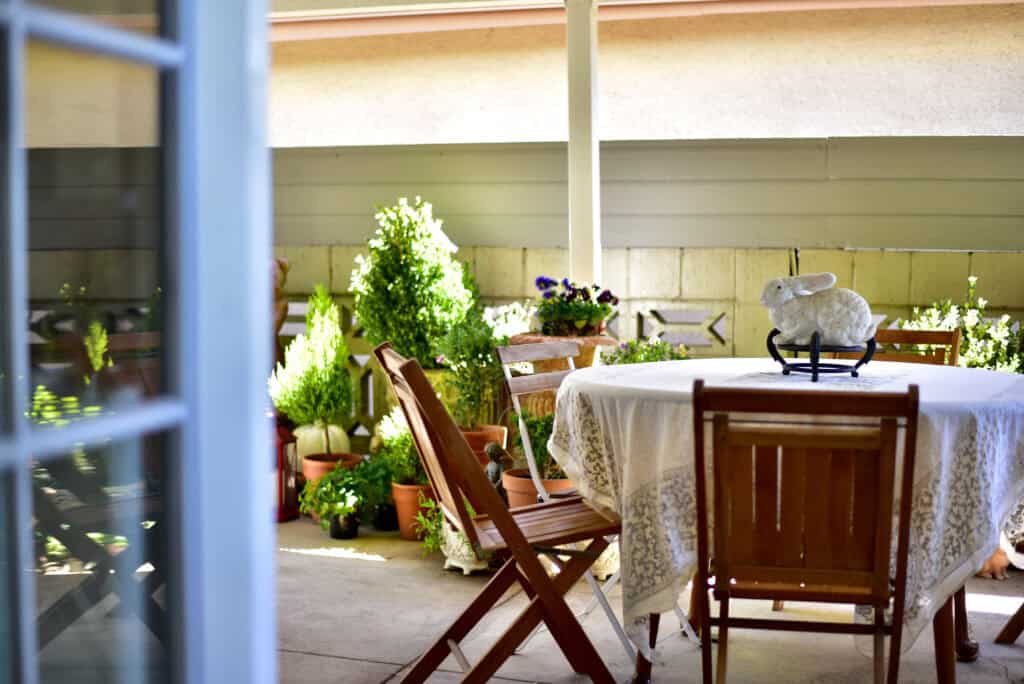
Styling a patio cover works best when furniture, fabrics, finishes, and accessories are chosen for outdoor exposure as well as appearance. The USDA Forest Service explains that weathering and decay are two major conditions that influence the service life of outdoor wood, while protective finishes and shelter can help reduce exposure. Sunlight also matters because the EPA UV Index runs from 1 for minimal ultraviolet exposure risk to 11 or higher for extreme levels, making shade useful for both people and sun-sensitive furnishings. Weather-suited cushions, furniture, rugs, and finishes can help the space retain its appearance with less frequent replacement.
- Select furniture and finishes made for outdoor moisture and sunlight exposure.
- Use fabrics that resist fading and are appropriate for covered exterior spaces.
- Coordinate rugs, cushions, plants, and furniture with the patio cover's architecture.
Key Takeaways to Optimize Your Outdoor Space with a Patio Cover
- Patio covers significantly enhance outdoor comfort and usability.
- They offer customizable features that can cater to any need or event.
- Proper maintenance ensures longevity and continued performance.
Frequently Asked Questions
How long do patio covers typically last? With proper maintenance, materials like aluminum can last over 15 years, while wood might require more frequent upkeep due to its susceptibility to weather conditions.
Can patio covers withstand heavy snow? Yes, especially if designed for heavy loads; however, it's important to choose materials and construction that specifically support your region's climate demands.
Do patio covers need to be removed during winter? Most permanent patio covers are designed to be durable and remain in place all year, but seasonal adjustments might be needed depending on the material and local climate.
How can a patio cover improve energy efficiency at home? By providing shade, patio covers reduce the heat gain in adjacent indoor areas, which can help lower cooling costs during warmer months.
- About the Author
- Latest Posts

With over 30 years of experience, Advanced Roofing has established itself as a leading roofing contractor in the Northshore, Greater New Orleans area, and now South Mississippi. Specializing in both commercial and residential roofing, as well as vinyl siding and rain gutter installations, our reputation for quality and reliability extends across a wide range of remodeling and repair services.