A roof influences property value because buyers notice its condition, material, color, and visible wear before they study an inspection report. A skilled roofer can help boost property value by correcting defects, improving curb appeal, and giving future buyers clearer documentation about completed work. Roofing material, resale expectations, weather performance, upkeep, and ownership cost all play a part in the decision. The National Association of REALTORS® reported in 2025 that 37% of REALTORS® recommended new roofing before a seller lists a home, showing why roof condition can matter during sale preparation.
- Roof condition can shape a buyer’s first assessment of a property.
- Material choice can affect repair expectations and ownership costs.
- Roofing records can help explain completed work during a sale.
How a Roofer Can Strengthen Property Value
Roofing choices can influence property value when the work solves an actual condition problem and fits the building rather than following a passing trend. A common example involves a homeowner preparing an aging house for market who asks a roofer to compare patching worn areas with replacement, examine the deck and flashing, then choose the scope that corrects the cause instead of hiding symptoms. That approach protects money. The 2025 Remodeling Impact Report gave new roofing a homeowner Joy Score of 10, placing it among projects that received the highest reported satisfaction.
- Condition should guide the project before appearance takes priority.
- Repair history gives prospective buyers useful context.
- Project scope should match problems found during inspection.
Curb Appeal Starts at the Roofline
Property value is tied partly to presentation because a roof occupies a large share of the exterior view, so stains, missing pieces, mismatched repairs, or sagging lines can pull attention away from the rest of the property. A roofer can help identify which visible issues are cosmetic and which ones point toward leaks, failing flashing, worn materials, or structural concerns. Buyers still need records because appearance alone cannot prove condition. An aging roof that looks clean may still require work, while an older system supported by service records may have useful life remaining.
- Coordinate roof color with siding, masonry, and trim.
- Keep repair records available for prospective buyers.
- Correct visible defects before cosmetic upgrades take priority.
Metal Roofing Can Support Resale
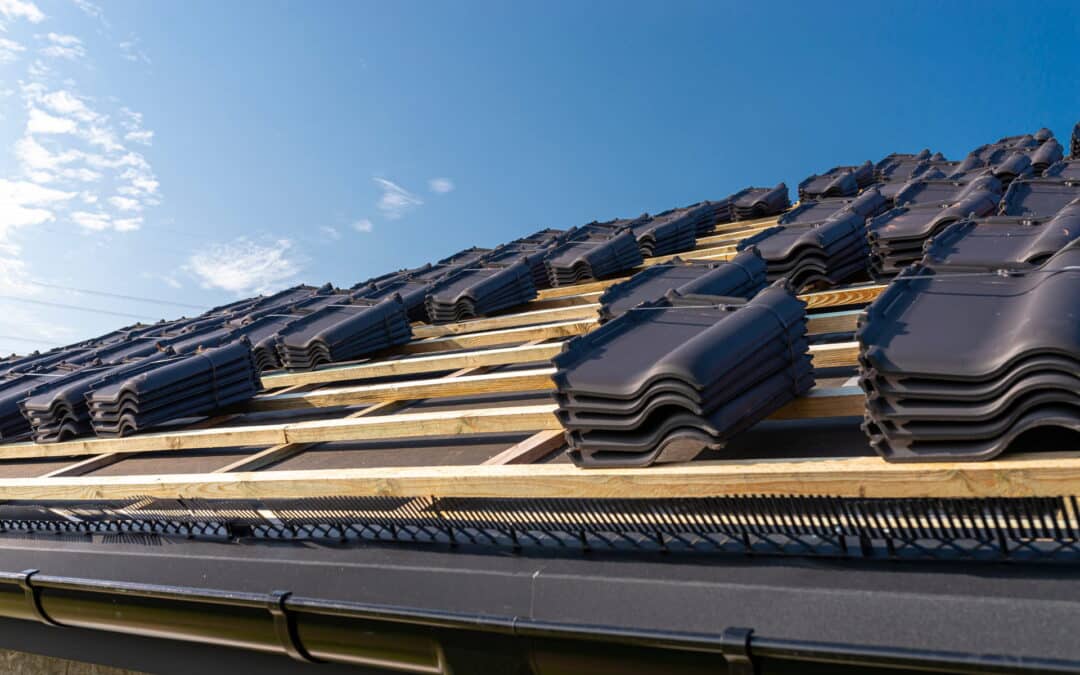
Metal roofing can support property value when the system suits the structure, meets wind requirements, and is installed according to manufacturer instructions and code. FEMA explains that some metal roofing systems have resisted extreme winds while others have failed below design wind speeds, which makes panel testing, attachment, flashing, and workmanship part of the value discussion. A roofer can review panel profiles, fastener systems, underlayment, edges, and penetrations before installation begins, these details matter because a costly material cannot compensate for weak installation. Material alone does not guarantee performance.
- Ask for wind-uplift information for the selected panel system.
- Review flashing and attachment requirements before work starts.
- Keep product records for future resale or insurance questions.
Slate Roofing Brings Character and Longevity
Slate can add property value on buildings where stone roofing fits the architecture and where the structure can support its weight. The National Park Service explains that roof pattern, detailing, and craftsmanship are important design elements on historic slate buildings, which is why careless substitution can weaken visual character. A roofer with slate experience can inspect individual pieces, flashing, valleys, fasteners, and framing before recommending replacement. Buyers considering slate should weigh specialist labor, repair access, and structural support alongside appearance.
- Inspect existing slate before planning complete replacement.
- Check flashing because leaks do not always mean the slate has failed.
- Budget for tradespeople familiar with stone roofing systems.
Cool Roof Features Can Lower Ownership Costs
A cool roof may support property value when lower cooling demand matters to buyers and the product suits the climate. Federal Energy Management Program guidance estimates that a qualifying cool-roof product can provide up to $1.11 per square foot in lifetime energy-cost savings under the assumptions used in its federal purchasing analysis. A roofer can compare solar reflectance, thermal emittance, insulation, and roof type rather than judging a product by color alone. Savings vary with climate and building systems.
- Compare solar reflectance ratings across roofing products.
- Check whether regional conditions favor reflective materials.
- Review lifetime operating cost alongside purchase price.

Cedar Shingles Offer Texture With Care Requirements
Cedar shingles can support property value when the style fits the building and the roof receives the care that wood requires. National Park Service preservation guidance states that wooden shingle roofs can last from 15 to more than 60 years, with installation and maintenance playing a large role in service life. A roofer can look for trapped debris, split shingles, failed fasteners, poor spacing, and places where moisture remains against the wood. That lifespan range is wide for a reason.
- Choose shingles suited to the building and weather exposure.
- Clear debris that can hold moisture against wooden surfaces.
- Repair damaged pieces before water reaches deeper roof components.
Match the Roof to Climate and Architecture
Property value can suffer when a roof looks out of place or performs poorly under the conditions it faces. Roof slope, drainage, wind exposure, shade, insulation, and surrounding trees should be reviewed together because one choice can affect another, a dark finish may suit the design while absorbing more heat, a low slope may require another covering, and a complicated shape may create more flashing points. The Department of Energy notes that climate, insulation, roof type, and heating and cooling equipment influence savings from reflective roofing. A roofer can bring those factors together before the owner commits to a material.
- Match roof slope with a compatible covering.
- Consider wind, sun, shade, and drainage before choosing material.
- Balance appearance with maintenance and weather demands.
Budget for Resale Without Chasing a Number
Property value is not created by spending the most money on a roof, it comes from solving the right problem at a cost the market can support. The National Association of REALTORS® reported that 18% of surveyed consumers remodeled because they planned to sell within two years, while other owners had different reasons for completing projects. A roofer can separate required repairs from optional upgrades so the owner sees where the money is going. A seller may value marketability while a long-hold owner may place more weight on service life and operating cost.
- Price repair and replacement as separate paths when both are realistic.
- Compare warranty terms, service needs, and expected ownership period.
- Avoid assuming that the highest bid produces the highest property value.
Roof Documentation Can Build Buyer Confidence
Receipts, permits, warranty papers, product details, and inspection records can help a buyer understand what was installed and when the work took place. A roofer should provide clear documentation after completing replacement or repair work, especially when warranty conditions or manufacturer requirements could matter later. Records cannot guarantee a higher sale price, but they can reduce uncertainty during inspection and negotiation. Good paperwork has practical value.
- Save contracts and invoices after roofing work is completed.
- Keep manufacturer information with warranty documents.
- Retain permits and inspection records when they apply.
Where Roof Value Comes Together
Property value grows from the combined effect of condition, architectural fit, documentation, material performance, and buyer confidence rather than from one roofing label. Metal can offer engineered wind resistance when specified correctly, slate can preserve architectural character, cedar can provide a distinct surface, and cool-roof products can lower certain operating costs. The right roofer helps connect inspection findings with material choice, installation details, maintenance expectations, and the owner’s timeline, all of those pieces influence whether money spent on the roof serves a practical purpose. The strongest choice solves the building’s needs without creating new problems.
- Condition comes before cosmetic upgrades.
- Material should fit the structure, climate, and ownership goals.
- Roofing records can strengthen buyer confidence during a sale.
Key Takeaways for a Roofer and Property Value
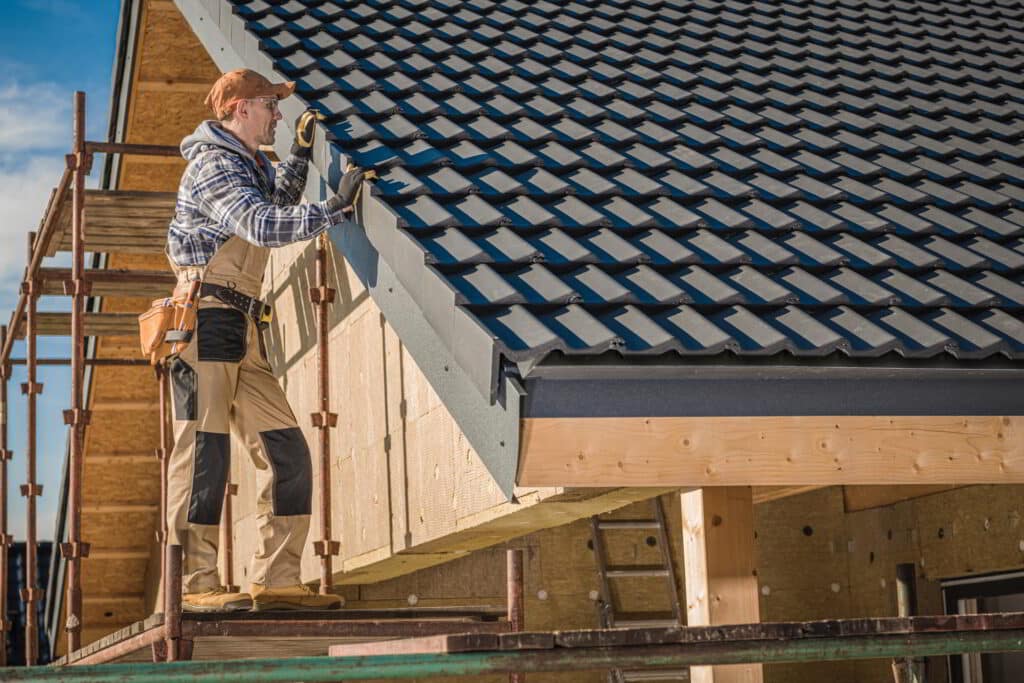
Property value can benefit from roofing work when the project corrects defects, supports the architecture, and reduces uncertainty for a future buyer. Resale data shows that roofing remains a project real estate professionals discuss with sellers, while federal and preservation guidance shows that material performance depends on installation, climate, and care. A roofer can help an owner compare repair, replacement, product data, and expected ownership period before money is committed. No roof guarantees a sale price.
- Use inspection findings to establish the project scope.
- Choose roofing that fits both the building and its exposure.
- Keep permits, warranties, invoices, and product records together.
FAQs
Can a Roofer Help Increase Property Value?
Yes. A roofer can identify damage, recommend suitable repairs or replacement, and improve buyer confidence through documented work and better roof condition.
Does Metal Roofing Help Resale Appeal?
Metal roofing may improve resale appeal when it fits the home’s design, is installed correctly, and comes with clear product and warranty records.
Is Slate Worth the Cost for Property Value?
Slate can add value to properties where its appearance and long service life fit the architecture. Repair costs and structural requirements should still be considered.
Can Roof Color Affect Property Value?
Yes. Roof color can affect curb appeal and heat performance, so homeowners should choose a shade that complements the exterior and suits the climate.
Should a Seller Replace the Roof Before Listing?
Replacement may make sense when the roof has widespread damage or could create buyer concerns. A roofer can determine whether repair, replacement, or continued maintenance is the better choice.
- About the Author
- Latest Posts
With over 30 years of experience, Advanced Roofing has established itself as a leading roofing contractor in the Northshore, Greater New Orleans area, and now South Mississippi. Specializing in both commercial and residential roofing, as well as vinyl siding and rain gutter installations, our reputation for quality and reliability extends across a wide range of remodeling and repair services.