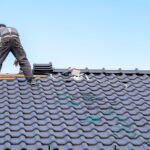
A roof is one of the most important parts of any home because it protects the structure from weather, supports energy performance, and helps shape curb appeal. Many homeowners eventually ask how long a roof lasts, but the answer depends on the roofing material, installation quality, ventilation, maintenance, and local weather exposure. A professional roofer can inspect shingles, flashing, decking, ventilation, and drainage to help homeowners understand whether the roof is aging normally or showing signs of early failure. Understanding roof lifespan helps homeowners plan repairs, compare replacement options, and avoid small issues that can turn into costly damage.
Roof Lifespan and Key Factors
Every roof ages over time, but the speed of that aging depends on climate, workmanship, material quality, ventilation, and maintenance. Heat, wind, hail, rain, and poor installation can weaken shingles, flashing, fasteners, and underlayment before the roof reaches its expected service life. The U.S. Department of Energy explains that ventilation helps remove moisture, odors, and pollutants from a home. Proper installation and ventilation can help a roofing system manage heat and moisture more effectively, while poor workmanship may lead to leaks, trapped humidity, and early repairs.
- Climate and weather extremes can shorten roof longevity.
- Quality workmanship can extend durability and reduce repair needs.
- Material type, ventilation, and maintenance all affect expected years of service.
Asphalt and Architectural Shingle Roofs
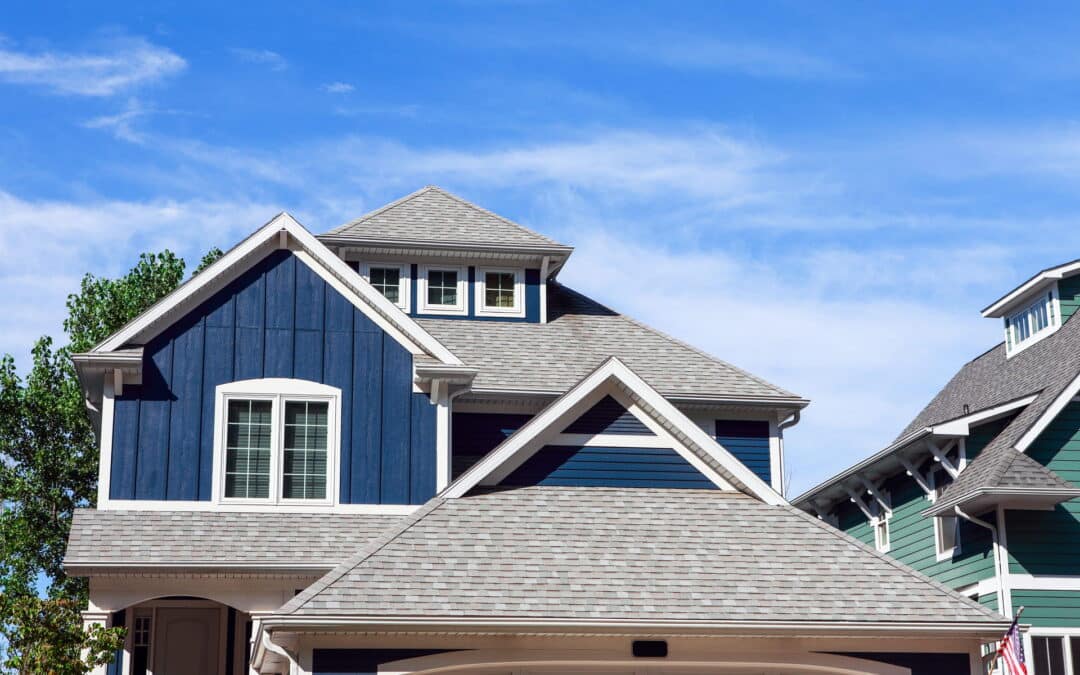
Asphalt shingles are the most common roofing choice across the United States. They offer affordable protection but have a shorter lifespan than premium materials. Basic asphalt shingles typically last 15 to 30 years. Architectural shingles, which are thicker and more durable, can reach 25 to 30 years and provide a more attractive finish that appeals to many homeowners.
- Standard asphalt shingles: 15 to 30 years
- Architectural shingles: 25 to 30 years
- Popularity driven by affordability and adequate protection
Metal Roofing Systems
Metal roofs are prized for longevity and energy performance. According to the U.S. Department of Energy, metal roofing can help reduce cooling costs by reflecting solar heat. A well-installed metal roof may last 50 years or more, with copper and zinc varieties lasting a century. Standing seam systems, crafted from steel, copper, or titanium, are especially durable and can also accommodate solar panels without additional framing.
- Average metal roof lifespan: 30 to 50 years
- Copper and zinc: up to 100 years
- Energy benefits include cooler interiors during summer

Concrete and Clay Tile Roofs
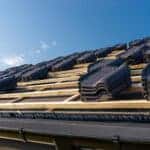
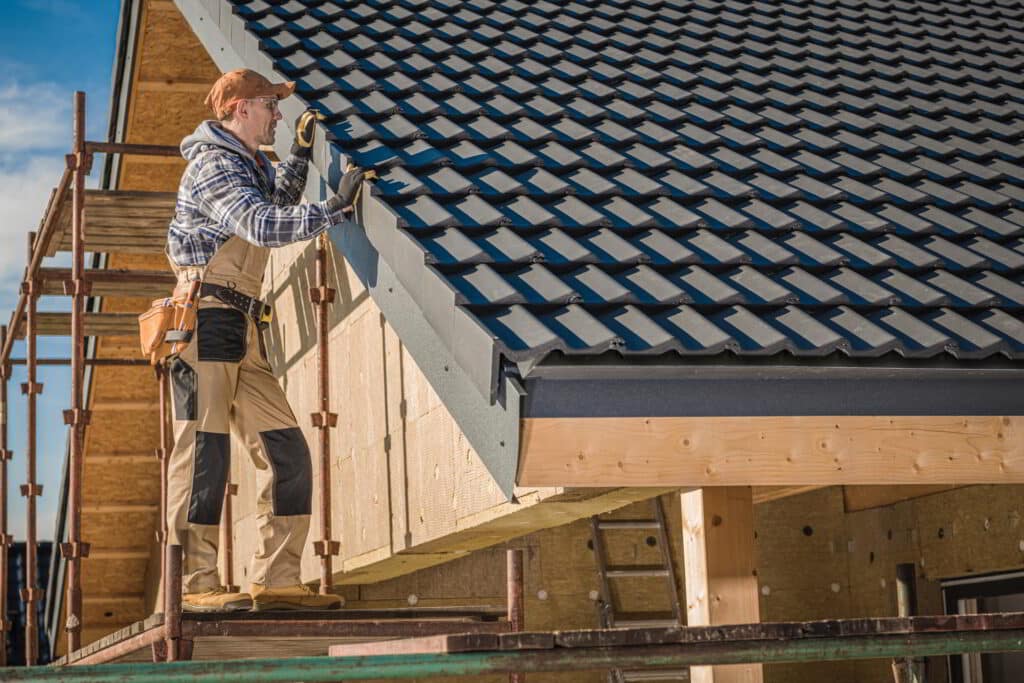
Concrete and clay tiles combine visual appeal with long-term resilience. Concrete tiles can be molded into different profiles and colored to resemble wood, stone, or slate, while clay tiles remain closely associated with historic and Mediterranean-style architecture. The National Park Service recommends a complete interior and exterior inspection of clay tile roofs to identify deterioration, leaks, and potential causes of failure before repairs begin. A roofer experienced with tile systems can inspect broken tiles, flashing, fasteners, and structural support without unnecessarily damaging the surrounding material. Both roofing options are relatively heavy, so the supporting structure should be evaluated before installation.
- Concrete tile lifespan: 40 to 50 years
- Clay tile lifespan: 50 years or more
- Regular inspections can identify damaged tiles and failing flashing early
Slate Roof Longevity
Slate is widely regarded as one of the most durable natural roofing materials. Its natural grain, color variation, and weathered appearance make it particularly attractive for traditional and historic homes. The National Park Service recommends that historic slate roofs be repaired rather than replaced whenever possible because intact original material can often remain serviceable with appropriate maintenance. Careful repairs to individual slates, valleys, flashing, and fasteners can preserve the roof without the expense and disruption of unnecessary full replacement.
- Slate roof lifespan: 75 to 100+ years
- Requires sufficient structural support because of its weight
- Selective repairs may preserve serviceable slate instead of requiring complete replacement
Variations in Roof Lifespan
Not every roof reaches its maximum expected lifespan because weather exposure, installation quality, ventilation, maintenance, and material choice all affect durability. Severe wind, hail, heavy rain, heat, and storm debris can damage shingles, flashing, underlayment, gutters, and decking. FEMA identifies roof-covering damage as a leading cause of building performance problems during high-wind events and warns that a failed covering can allow substantial water damage inside a home. FEMA also recommends completely removing an existing roof covering rather than installing a new wind-resistant covering over the old one during this type of retrofit. Regular inspections and timely repairs can help homeowners find developing problems before they shorten the roof’s useful life.
- Natural disasters and climate extremes can reduce roof longevity
- High-wind damage to roof coverings can allow extensive interior water intrusion
- Workmanship, ventilation, attachment methods, and maintenance can be as important as material quality
Key Takeaways
Roofing materials vary dramatically in how long they last. Asphalt shingles may provide 20 years of use, while slate and metal can last a lifetime. Climate, installation quality, and upkeep all affect performance. Selecting the right material requires balancing cost, aesthetics, and expected longevity. For most homeowners, understanding these factors makes it easier to plan for one of the largest investments in a home.
- Asphalt shingles last 15 to 30 years
- Metal roofing offers 50+ years of service, with copper and zinc reaching a century
- Concrete and clay tiles deliver 40 to 50 years, with clay often exceeding 50
- Slate is unmatched, lasting 75 to 100 years or longer
- Workmanship, climate, and maintenance shape true roof lifespan
Frequently Asked Questions About Roof Lifespan
Does climate really affect how long a roof lasts? Yes. Hot, humid, or storm-prone areas put extra strain on roofing materials, reducing their service life compared to milder climates.
Why does installation quality matter so much? A roof that is poorly ventilated or improperly sealed can fail years earlier, while professional installation ensures longevity and better performance.
Are architectural shingles worth the higher cost? They typically last longer than standard asphalt shingles and add visual appeal, making them a smart upgrade for many homeowners.
What is the main advantage of a slate roof? Slate provides unmatched durability, often lasting more than a century, though it requires a strong foundation to support its weight.
Can maintenance extend roof lifespan? Routine inspections, cleaning gutters, and addressing minor damage early can add years to a roof’s life, regardless of the material.
- About the Author
- Latest Posts
With over 30 years of experience, Advanced Roofing has established itself as a leading roofing contractor in the Northshore, Greater New Orleans area, and now South Mississippi. Specializing in both commercial and residential roofing, as well as vinyl siding and rain gutter installations, our reputation for quality and reliability extends across a wide range of remodeling and repair services.