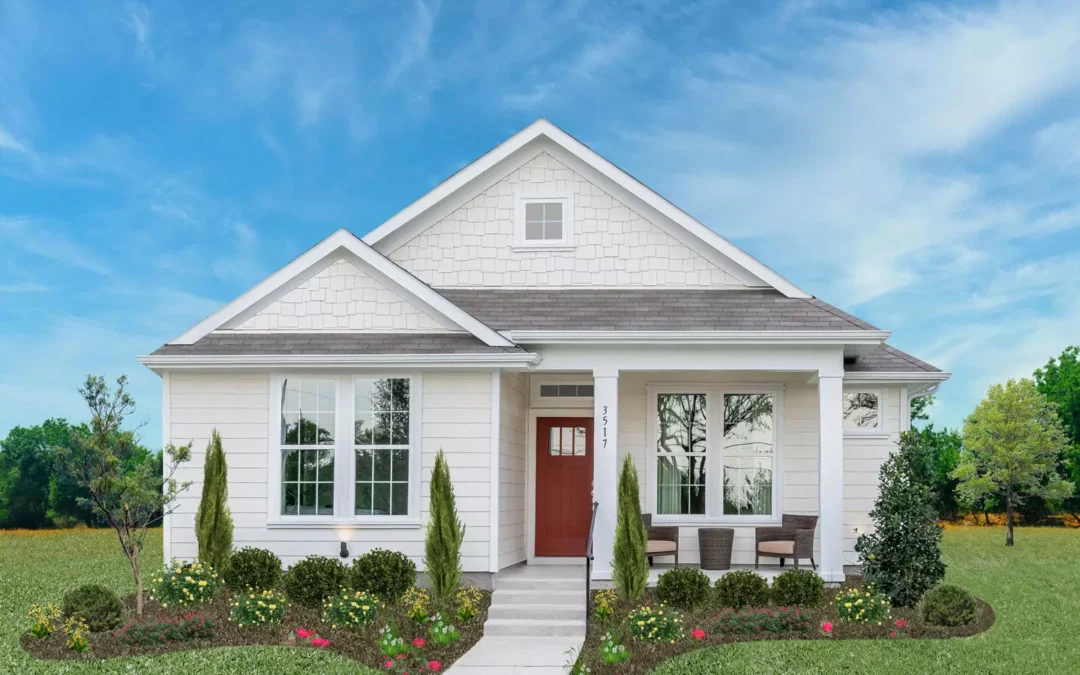
When it comes to protecting and enhancing the exterior of your home, the choice of siding material plays a pivotal role. Among the various options available, aluminum siding stands out for its durability, aesthetic appeal, and low maintenance requirements. However, the benefits of aluminum siding can only be fully realized through proper installation. This article delves into the importance of professional installation for aluminum siding and how it impacts the success and longevity of your home's exterior.
1. Understanding Aluminum Siding Performance
Aluminum siding has been a favored choice for homeowners for decades, thanks to its resilience and versatility. It's known for its ability to withstand harsh weather conditions, resist corrosion, and offer a range of finishes that can mimic the look of wood, stone, or other materials.
- Aluminum siding is lightweight, making it easier to install compared to heavier materials.
- It's environmentally friendly, as aluminum is 100% recyclable.
- The material offers excellent insulation properties, contributing to energy efficiency in homes.
2. Precision During Professional Installation
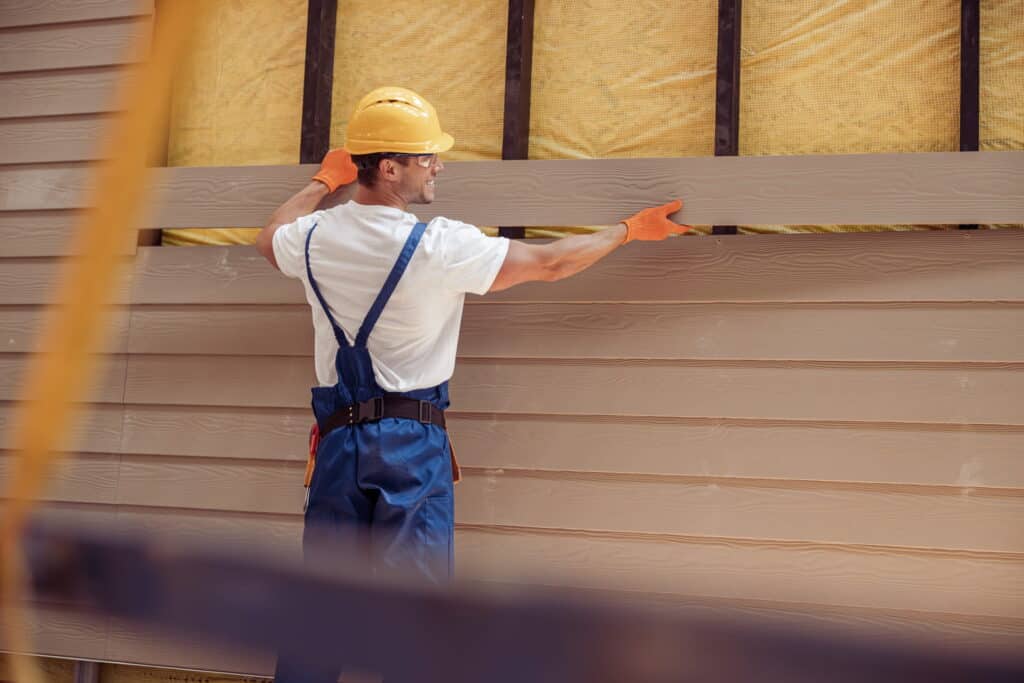
Proper aluminum siding installation plays a major role in protecting a home's exterior and extending the material's lifespan. Experienced installers carefully align each panel, use appropriate fasteners, and allow enough room for temperature-related expansion and contraction to prevent warping or buckling. The U.S. Department of Energy explains that a continuous drainage plane behind exterior siding helps prevent rainwater from entering wall cavities and damaging structural components. Professional installation also involves checking the underlying surface, installing flashing correctly, and following manufacturer specifications to reduce future maintenance problems.
-
Professional installation helps ensure that siding is properly secured and the underlying moisture barrier is correctly installed.
-
Experienced contractors can address damaged sheathing, uneven surfaces, and other unexpected installation challenges.
-
Qualified installers follow applicable local building codes and manufacturer requirements to help protect warranty coverage.
-
Correct panel spacing and fastening allow aluminum siding to expand and contract without unnecessary stress or distortion.
3. Avoiding Common Installation Errors
Poor aluminum siding installation can create expensive problems, particularly when contractors overlook panel spacing, moisture barriers, or proper fastening techniques. Improper flashing and poorly sealed wall openings can allow rainwater to reach the underlying wood, where prolonged moisture exposure may cause deterioration. The Environmental Protection Agency (EPA) recommends drying damp building materials within 24 to 48 hours to help prevent mold growth, demonstrating why keeping moisture out of exterior walls matters. Professional installers reduce these risks by inspecting the existing surface, positioning panels correctly, and following established installation practices.
-
Incorrect siding installation can allow moisture behind exterior walls, increasing the risk of mold and wood rot.
-
Poor panel alignment can create uneven seams, visible gaps, and an unattractive exterior appearance.
-
Improper fastening techniques can cause panels to buckle or become loose during temperature changes.
-
Missing flashing around windows, doors, and exterior openings can allow water to enter concealed wall spaces.
4. Preventing Long-Term Structural Issues
Improper aluminum siding installation can contribute to serious structural problems when water reaches the sheathing, insulation, or wooden framing beneath the exterior panels. Persistent moisture exposure may cause wood deterioration, mold growth, and expensive repairs that remain hidden until visible damage develops. According to ENERGY STAR, homeowners can save an average of 15% on heating and cooling costs by properly sealing air leaks and adding insulation in key areas of the home, highlighting the value of maintaining an effective building envelope. Although siding alone does not provide those savings, professional installation creates an opportunity to inspect and address underlying insulation, air sealing, and moisture protection.
-
Moisture trapped behind siding can contribute to wood rot, mold growth, and deteriorating wall materials.
-
Damaged insulation and unsealed air leaks can increase heating and cooling expenses throughout the year.
-
Poorly installed siding can weaken curb appeal and potentially reduce a home's resale value.
-
Proper flashing, drainage, and moisture barriers help protect wooden framing and reduce the likelihood of costly structural repairs.
5. Extending Lifespan and Reducing Maintenance
Properly installed aluminum siding not only lasts longer but also requires minimal maintenance to keep it looking its best. Regular cleaning with mild soap and water, along with periodic inspections, can help maintain its appearance and functionality.
- Aluminum siding can last up to 40 years or more with proper installation and care.
- It's resistant to pests, such as termites and rodents, which can cause damage to other siding materials.
- The color coating on aluminum siding is typically baked on, reducing the need for frequent repainting.
6. Selecting a Qualified Installer
Selecting the right professional installer is as important as choosing the siding material itself. Look for experienced contractors with positive reviews, a solid portfolio of completed projects, and transparent pricing.
- Ask for references and check online reviews to gauge the installer's reputation.
- Ensure the installer is licensed, insured, and familiar with local building codes.
- Discuss your project in detail, including timelines and expectations, to avoid surprises.
7. Evaluating Long-Term Cost Efficiency
While the initial cost of professional installation might seem high, it's an investment that pays off in the long run. Proper installation maximizes the lifespan of the siding, reduces maintenance costs, and can improve your home's energy efficiency.
- Professional installation helps avoid costly repairs and replacements down the line.
- The energy savings from properly installed siding can offset the initial installation costs over time.
- Some manufacturers offer extended warranties when their products are installed by certified professionals.
In the realm of home improvement, the proper installation of aluminum siding is a critical factor that determines the success and longevity of your home's exterior. From ensuring weather resistance and energy efficiency to maintaining aesthetic appeal, the benefits of professional installation cannot be overstated. Homeowners who invest in quality installation enjoy peace of mind, knowing their siding is correctly installed, looks great, and will stand the test of time.
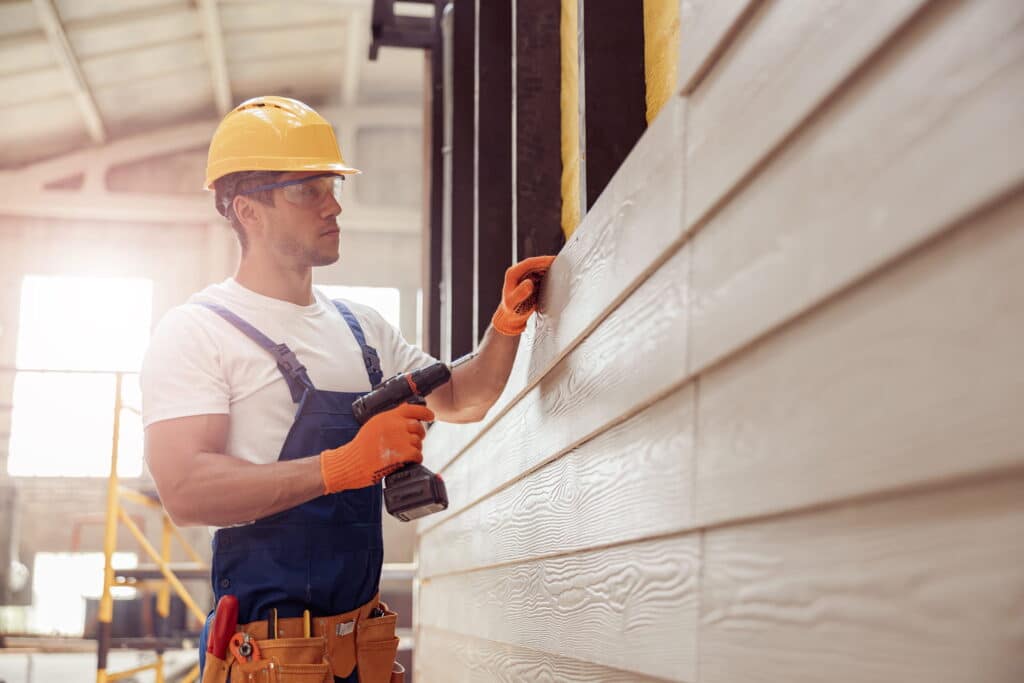
Key Takeaways on Proper Siding Installation
Aluminum siding is durable, versatile, and long-lasting, but its performance depends heavily on how well it is installed. Professional installation ensures siding is properly aligned, sealed, and insulated, which helps prevent damage and keeps energy costs low. By avoiding common DIY mistakes, homeowners can protect their investment and enjoy siding that enhances both function and curb appeal for decades.
- Aluminum siding can last 40 years or more with correct installation and care
- Professional installation prevents warping, buckling, and moisture infiltration
- Certified installers ensure compliance with building codes and warranty requirements
- Proper installation improves insulation, reducing long-term energy costs
- Choosing the right installer helps maximize siding lifespan and home value
Frequently Asked Questions About Siding Installation
How long does aluminum siding typically last? With professional installation and regular cleaning, aluminum siding can last 40 years or longer. Its baked-on color finish also minimizes the need for repainting.
Why is professional installation so important? Professionals ensure panels are properly aligned, sealed, and insulated. This prevents moisture issues, structural damage, and reduced energy efficiency over time.
Can aluminum siding be installed over existing siding? In some cases, yes, but it depends on the condition of the existing surface. A professional can evaluate whether removal or reinforcement is necessary before installation.
What maintenance does aluminum siding require? Maintenance is simple: occasional washing with mild soap and water plus periodic inspections to check for dents or loose panels is usually sufficient.
Does aluminum siding improve energy efficiency? Yes. Aluminum siding provides good insulation when installed correctly, reducing heat transfer and lowering heating and cooling costs for homeowners.
- About the Author
- Latest Posts
With over 30 years of experience, Advanced Roofing has established itself as a leading roofing contractor in the Northshore, Greater New Orleans area, and now South Mississippi. Specializing in both commercial and residential roofing, as well as vinyl siding and rain gutter installations, our reputation for quality and reliability extends across a wide range of remodeling and repair services.