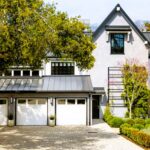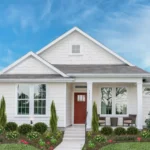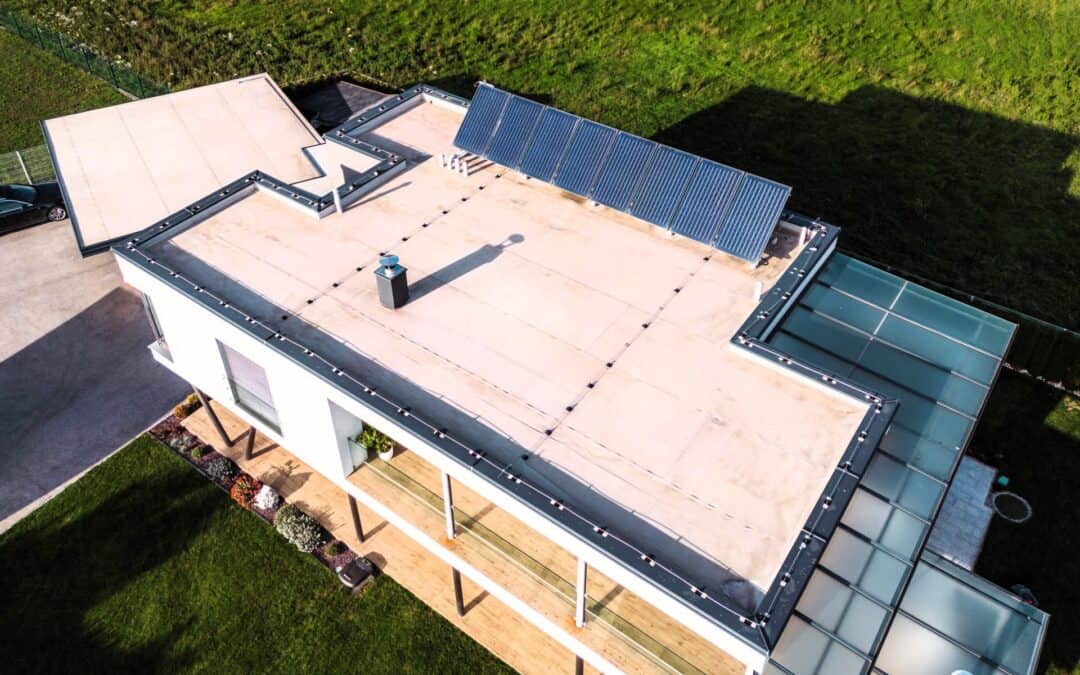
Choosing between a flat and pitched roof affects drainage, structural design, usable space, maintenance requirements, and the overall appearance of a building. Roof geometry can also influence how a structure responds to wind, rain, snow, and other environmental loads. The Insurance Institute for Business & Home Safety notes that roof slope and geometry affect the wind pressures applied to different areas of a roof, making design an important performance consideration as well as an aesthetic choice. A roofer can evaluate the building structure, local climate, drainage needs, and intended rooftop uses before recommending the most appropriate configuration.
Understanding Roof Types
Flat and pitched roofs differ primarily in slope, drainage design, construction methods, and the roofing materials commonly used on them. Roofs commonly described as flat actually require a slight slope or another effective drainage design rather than remaining completely level. FEMA explains that low-slope roofs use components such as interior drains, gutters, scuppers, downspouts, and emergency overflow drains to move water away from the structure. Pitched roofs use more pronounced slopes, which naturally encourage rain and other precipitation to move toward the roof edges.
- Flat and low-slope roofs rely heavily on properly designed drainage systems.
- Pitched roofs use steeper slopes to move precipitation toward the eaves.
- Climate, building design, rooftop equipment, and maintenance requirements can influence the best choice.
Benefits of Flat Roofs
Flat and low-slope roofs can provide valuable space for HVAC equipment, solar installations, rooftop gardens, and other building systems when the structure is designed to support them. Installation costs depend on the roofing material, building size, drainage system, insulation, and structural requirements, so flat roofs are not automatically less expensive in every situation. The U.S. Environmental Protection Agency reports that extensive green roofs can reduce stormwater runoff by as much as 60%, demonstrating one potential benefit of converting appropriate rooftop space into a vegetated system. Structural capacity must still be evaluated because green roofing materials become substantially heavier when saturated with water.
- Provides potential space for HVAC systems, solar equipment, or rooftop gardens.
- Can support green-roof systems that help manage stormwater.
- Offers a streamlined appearance that works well with many modern commercial and residential designs.
Challenges With Flat Roofs
Drainage is one of the most important concerns with flat and low-slope roofing because standing water can place additional stress on roofing membranes, flashing, seams, and drainage components. FEMA investigators examining buildings after Hurricanes Irma and Maria found that some flat concrete roofs experienced ponding where roof slopes were less than 1/8 inch per foot or drains were undersized or clogged. Regularly clearing drains and checking for developing low spots can therefore be particularly important on these systems. Roofing material, drainage design, installation quality, and maintenance ultimately have a greater influence on service life than the simple fact that a roof is flat.
- Ponding water can indicate inadequate slope, drainage problems, or roof deformation.
- Drains and scuppers should remain clear of vegetation and accumulated debris.
- Membranes, flashing, seams, and penetrations require routine inspection.
Advantages of Pitched Roofs
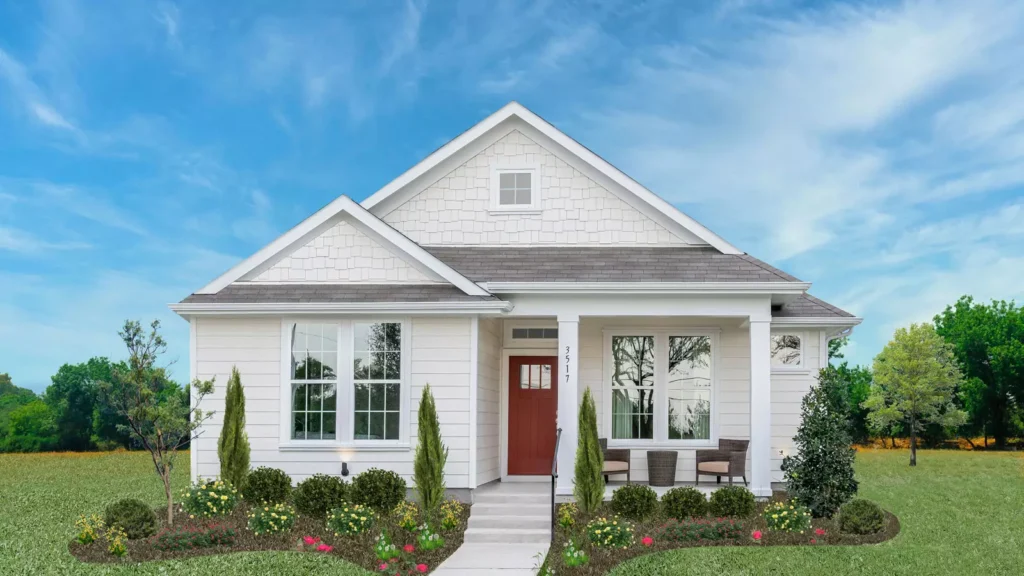
Pitched roofs provide natural drainage and are available in numerous architectural forms, including gable, hip, shed, and more complex configurations. The space below the roof can sometimes accommodate insulation, mechanical systems, storage, or finished living areas depending on the building design. FEMA's Snow Load Safety Guide explains that steeper roof slopes shed snow more effectively than low-slope roofs, which is one reason steeply pitched construction is common in snow-prone regions. Roof geometry still needs to be designed for local wind and precipitation conditions because valleys, ridges, eaves, and other transitions can create areas requiring additional attention.
- Sloped surfaces naturally encourage rain and snow to move off the roof.
- Attic space may provide room for insulation, storage, mechanical equipment, or living areas.
- A wide variety of roof shapes and materials can complement traditional and contemporary architecture.
Drawbacks of Pitched Roofs
Pitched roofs can involve more complicated framing, valleys, ridges, flashing transitions, and access requirements than simpler roof configurations, which may increase labor and material costs depending on the design. Roof pitch can also affect how much space is available for insulation near the eaves. The U.S. Department of Energy explains that conventional sloped attic framing can be too shallow at the eaves for full-depth insulation, potentially contributing to unwanted heat loss or heat gain along the roof edge. A roofer can evaluate framing, insulation clearances, ventilation, and architectural complexity before estimating the true cost of a pitched-roof system.
- Complex roof shapes can require additional framing, flashing, and labor.
- Insulation space near the eaves should be considered during design.
- Installation costs depend on pitch, materials, access, and architectural complexity.
Choosing the Right Roof for Your Climate
Climate should influence roof design because precipitation, temperature, wind exposure, insulation, and moisture conditions vary considerably from one region to another. Cold climates present a particular challenge because heat escaping through the attic can melt rooftop snow and contribute to ice dams near the eaves. The U.S. Department of Energy recommends sealing roof eaves in Climate Zone 5 and higher to help keep water from penetrating beneath shingles and underlayment during freeze-thaw conditions. A roofer can compare local weather risks with roof slope, materials, underlayment, drainage, and ventilation requirements before recommending a system.
- Consider precipitation, wind, heat, humidity, and freezing conditions.
- Match underlayment and drainage details to the regional climate.
- Use professional guidance to select a roof system suited to local weather exposure.
Maintenance and Longevity Considerations
Roof longevity depends on material quality, installation, exposure, drainage, maintenance, and how quickly developing problems are repaired. Neither a pitched nor flat roof should be assumed to require little maintenance simply because of its shape. The U.S. General Services Administration recommends inspecting shingle roofing twice each year, during spring and fall, with additional inspections after severe winds or storms. A roofer can use these inspections to identify damaged coverings, loose flashing, clogged drainage components, deterioration, and early signs of water intrusion before repairs become more extensive.
- Schedule periodic inspections based on material and weather exposure.
- Inspect roofing again after major wind or storm events.
- Repair flashing, drainage, and roof-covering problems before deterioration spreads.
Cost Analysis and ROI
Initial installation price is only one part of the financial comparison between roofing systems. Material longevity, energy performance, storm resistance, insurance costs, maintenance requirements, and future repairs can all influence long-term value. A Louisiana Department of Insurance report found that surveyed Louisiana Fortify Homes Program participants who received a FORTIFIED Roof reported a median annual insurance-premium reduction of $1,250, or approximately 22%, illustrating how roof construction standards can affect costs beyond installation alone. A roofer can help property owners compare compatible materials and resilience upgrades, while homeowners should confirm any potential insurance savings directly with their carrier.
- Compare installation price with expected maintenance and replacement costs.
- Consider storm resistance, energy performance, and insurance implications.
- Evaluate roof materials and construction standards alongside roof shape.
Professional Roofers’ Advice
Consulting with a professional roofer is invaluable in making the best choice for your property. They can offer personalized advice based on your home’s structure, local building codes, and climate, ensuring that your roof is not only aesthetically pleasing but also functional and compliant with local regulations.
- Expert assessment of your home’s specific needs.
- Guidance on local building codes and regulations.
- Personalized recommendations based on professional experience.
In making the choice between a flat and a pitched roof, homeowners and business owners must weigh a variety of factors, from aesthetic preferences and climate considerations to maintenance requirements and cost implications. Each roof type offers distinct advantages and challenges, making it essential to consider your long-term needs and consult with a roofing professional before making a decision.
Key Takeaways: Flat Roofs vs. Pitched Roofs
Choosing between a flat roof and a pitched roof affects everything from your property’s style to its long-term maintenance costs. Flat roofs are affordable, versatile, and modern but may require more upkeep due to drainage challenges. Pitched roofs are durable, weather-resistant, and provide extra attic space, but they come with higher upfront costs. Climate, architecture, and future goals all play important roles in making the best decision.
- Flat roofs offer lower installation costs and additional usable space but need careful drainage management
- Pitched roofs provide longer lifespan, better water and snow runoff, and attic storage options
- Local climate strongly influences which roof type will perform best over time
- Maintenance frequency and material choice determine long-term value
- Professional roofers can offer tailored guidance based on structure, codes, and budget
Frequently Asked Questions About Flat and Pitched Roofs
Which type of roof lasts longer, flat or pitched? Pitched roofs generally last longer due to superior water drainage and reduced risk of leaks. With proper maintenance, some pitched roofs can last 30–50 years or more, depending on materials.
Are flat roofs only used for commercial buildings? No. Flat roofs are also popular for modern residential architecture. They allow for rooftop gardens, solar panels, or outdoor living spaces, which appeal to many homeowners.
Which roof type is better for areas with heavy rainfall? A pitched roof is better suited for regions with frequent rain or snow because the slope helps water and debris shed quickly, reducing the risk of leaks.
Do flat roofs cost less to install? Yes. Flat roofs usually cost less upfront due to simpler design and reduced labor. However, they may require more frequent maintenance, which can add to long-term costs.
Can I improve energy efficiency with either roof type? Yes. Flat roofs can support solar panels and reflective coatings, while pitched roofs can be insulated more effectively in the attic space. Both can contribute to energy savings if properly designed.
- About the Author
- Latest Posts
With over 30 years of experience, Advanced Roofing has established itself as a leading roofing contractor in the Northshore, Greater New Orleans area, and now South Mississippi. Specializing in both commercial and residential roofing, as well as vinyl siding and rain gutter installations, our reputation for quality and reliability extends across a wide range of remodeling and repair services.