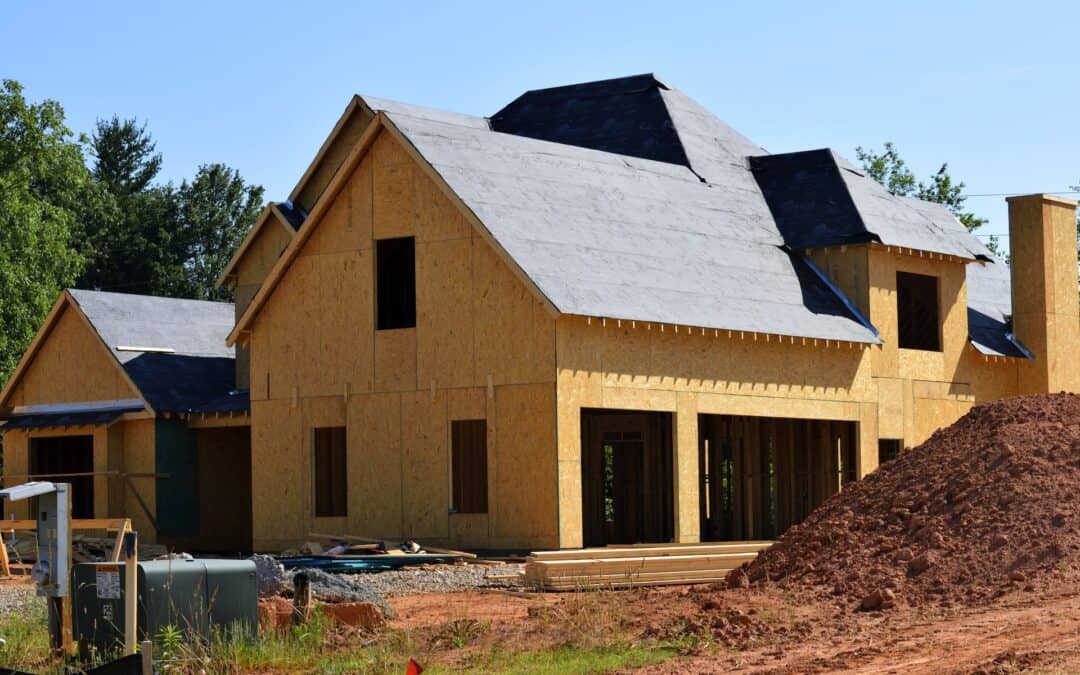
- Compare roof colors with siding, trim, brick, stone, and exterior accents.
- Consider how sunlight, shade, and local climate affect the appearance of roofing materials.
- Choose a color that balances curb appeal, resale value, and energy performance.
Understanding the Significance of Roof Color
The color of a roof has a major influence on a home’s overall appearance because it can either complement or contrast with siding, masonry, trim, and other exterior features. Homeowners should consider architectural character along with personal preferences rather than relying on broad claims about how individual colors affect emotions. The National Park Service notes that important characteristics of historic roofing materials can include their color, reflectivity, size, shape, and surface texture, showing why roof color can be an important part of preserving a building’s visual character. A roofer can also provide physical samples so homeowners can compare colors in natural daylight before making a final selection.- Compare roof colors with siding, brick, stone, and trim
- View physical samples outdoors under different lighting conditions
- Consider the home’s architectural style before selecting a contrasting or coordinating shade
Assessing Your Home's Style and Environment
Roof color should be evaluated alongside the home’s architectural style, surrounding landscape, climate, insulation, and expected cooling demands. Lighter or specially formulated reflective roofing products can reduce solar heat absorption, while conventional dark surfaces typically absorb more sunlight. The U.S. Department of Energy reports that replacing a conventional roof with a cool roof can reduce annual air-conditioning energy use by as much as 15 percent in a single-story building in warm or hot climates. Climate still matters because the Department of Energy cautions that highly reflective roofs can provide smaller benefits, or potentially increase heating demand, in colder regions.- Consider climate and cooling requirements along with appearance
- Compare solar reflectance when evaluating roofing colors and materials
- Coordinate the roof with permanent exterior features and the surrounding environment
Exploring Different Roof Colors and Their Effects
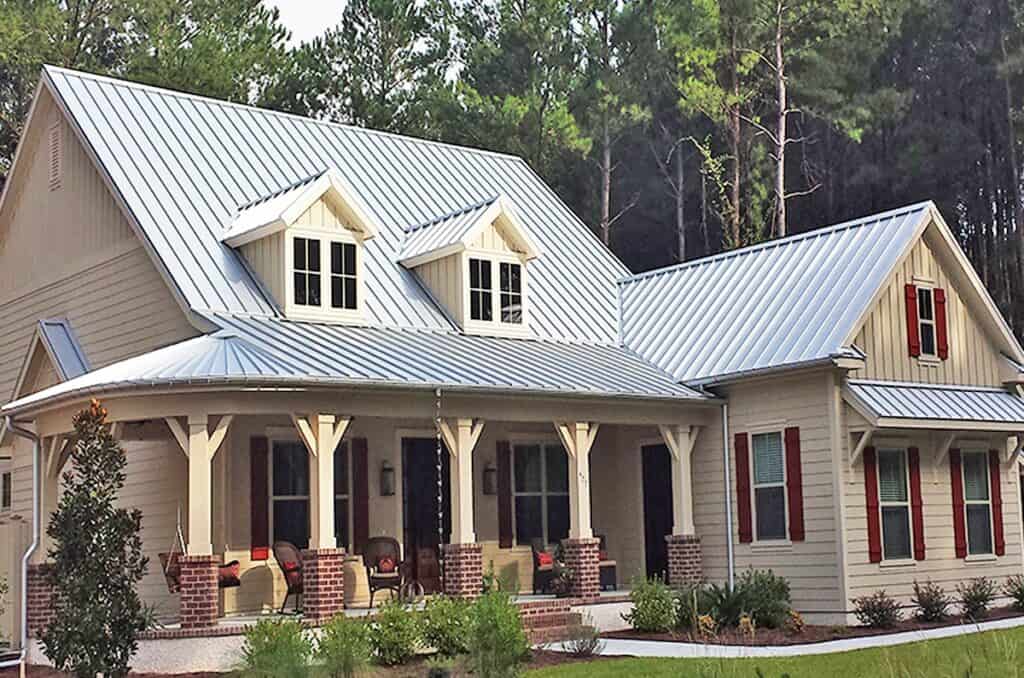
When it comes to roof colors, there's an array of options to choose from. Neutral shades, such as grays, browns, and beiges, are versatile and can complement various architectural styles. Earth tones, like terracotta and deep reds, can add warmth and character to your home. If you're feeling bold, vibrant colors like blues, greens, or even black can make a striking statement. It's worth noting that the choice of roof color can also impact energy efficiency. According to the U.S. Department of Energy, cool roofs with lighter colors can reduce cooling costs by reflecting more sunlight.Harmonizing with Exterior Elements
To achieve a visually appealing exterior, it's crucial to consider the harmony between your roof color and other exterior elements. Take into account the color of your siding, windows, doors, and even the landscaping. You want the roof color to complement and enhance these features rather than clash with them. Utilizing color palettes can be helpful in ensuring a balanced and cohesive look. Look for inspiration from design magazines, online resources, or consult with a professional roofer or designer for expert advice.Seeking Professional Advice and Considering Samples
Choosing the perfect roof color can be overwhelming, especially with so many options available. Seeking professional advice from a roofer or designer can provide valuable insights and guidance. They can assess your home's style, consider your preferences, and recommend the most suitable roof color options. Additionally, request samples or digital simulations to visualize how different roof colors will look on your home. Remember to evaluate samples under various lighting conditions to get an accurate representation.
Finalizing the Decision and Maintaining the Roof’s Appearance
Finalizing a roof color should involve more than choosing the shade that looks best on a sample board. Homeowners should compare the color against siding, brick, trim, landscaping, neighborhood style, and long-term maintenance needs before moving forward with installation. The EPA notes that conventional roofs can reach temperatures of 150 to 190 degrees Fahrenheit during peak summer weather, which makes roof color and reflectivity worth considering in hot climates. Regular inspections, gentle cleaning, and quick attention to stains, debris, missing shingles, or flashing issues can help preserve the roof’s appearance and support better long-term performance.- Compare roof color samples in natural light before making a final decision.
- Consider how the roof color works with siding, trim, brick, stone, and landscaping.
- Maintain the roof’s appearance with inspections, debris removal, and prompt repairs.
Key Takeaways for Choosing the Right Roof Color
- Roof color influences curb appeal, home value, and even energy efficiency.
- Lighter colors reflect sunlight and work best in hot climates, while darker shades retain heat and suit colder regions.
- Neutral tones like gray and brown offer versatility, while bold colors create striking visual statements.
- Harmonizing roof color with siding, windows, and landscaping ensures a balanced look.
- Professional advice and roof color samples can help homeowners make confident decisions.
- Regular maintenance, including inspections and cleaning, preserves both appearance and durability.
Frequently Asked Questions About Roof Color Selection
Does roof color affect energy costs? Yes. According to the U.S. Department of Energy, lighter-colored or cool roofs can reduce cooling costs by reflecting more sunlight, while darker roofs retain heat and may lower heating costs in colder climates. What roof colors increase resale value? Neutral shades like gray, brown, and beige are most popular with buyers because they match a wide range of home styles and are seen as timeless choices. Should roof color match the siding or contrast with it? The roof should complement the siding rather than match it exactly. A balanced contrast often creates curb appeal, while overly similar tones can make the exterior appear flat. How do I know what a roof color will look like once installed? Request physical samples or digital simulations from your roofer. View them under different lighting conditions throughout the day to get an accurate sense of the final appearance. How can I maintain the appearance of my roof color over time? Schedule annual inspections, clean off debris, remove stains from algae or moss, and trim overhanging branches. If you have painted materials, occasional touch-ups may be required to prevent fading or rust.- About the Author
- Latest Posts
With over 30 years of experience, Advanced Roofing has established itself as a leading roofing contractor in the Northshore, Greater New Orleans area, and now South Mississippi. Specializing in both commercial and residential roofing, as well as vinyl siding and rain gutter installations, our reputation for quality and reliability extends across a wide range of remodeling and repair services.