Homeowners face unique challenges when it comes to protecting and beautifying their properties. A humid subtropical climate with hot summers and frequent rain demands materials that can withstand the elements while maintaining curb appeal. Vinyl siding has become a top choice because it combines durability, low maintenance, and affordability with a wide range of design options. It’s an investment that enhances both appearance and performance for years to come. Here are the 5 main advantages that make vinyl siding a perfect fit for homes in this type of environment.
1. Durability and Weather Resistance
Weather can be tough on exterior materials, especially when a home faces frequent rain, strong sunlight, wind, humidity, and temperature changes. Vinyl siding is designed to resist moisture damage better than wood because it does not rot, peel, or require regular repainting when maintained properly. The U.S. Department of Energy explains that controlling moisture helps protect building materials from damage and supports better indoor comfort. Durable siding can help homeowners reduce exterior upkeep while keeping the home’s appearance clean and well protected over time.
- Moisture-resistant material can help reduce the risk of rot and mold-related damage.
- Vinyl siding can stand up to harsh sun, heavy rain, and changing temperatures.
- Routine cleaning can help siding maintain a fresh appearance year after year.
2. Low Maintenance Requirements
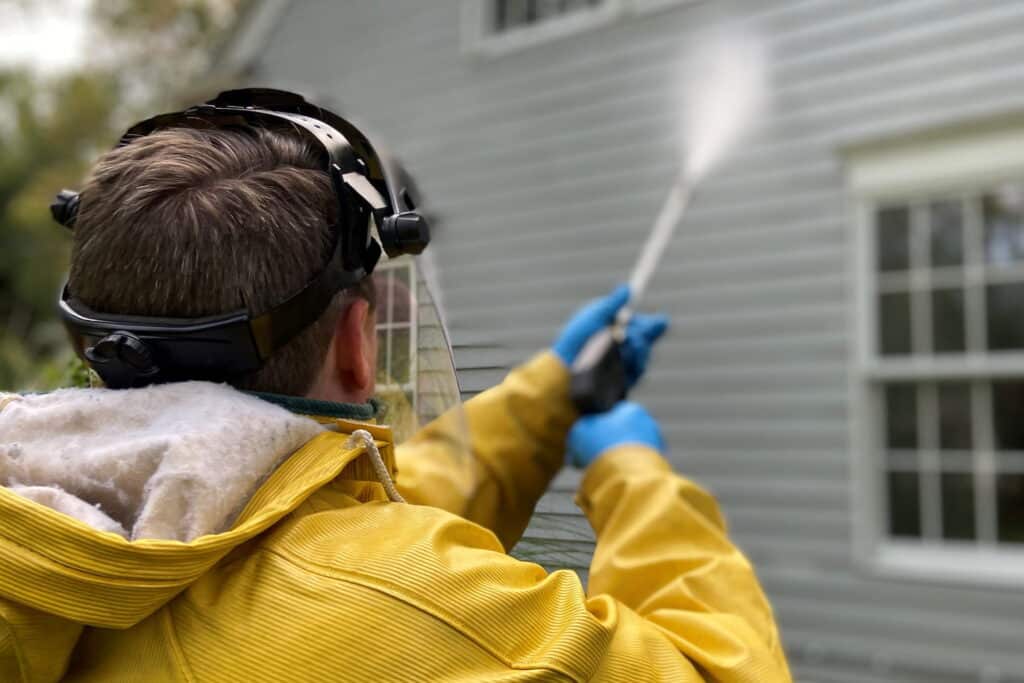
One of the biggest advantages of vinyl siding is the minimal upkeep it requires. Unlike wood, which needs repainting and staining, vinyl siding is virtually maintenance-free. A simple rinse with water and mild detergent is usually enough to remove dirt and restore its appearance. This saves homeowners valuable time and reduces long-term maintenance expenses.
- No need for repainting or frequent repairs
- Easy cleaning with soap and water
- Frees up time for homeowners to focus on other priorities
3. Enhanced Energy Efficiency
Energy efficiency is a major consideration in hot, humid climates where cooling systems often run for long periods. Vinyl siding can add a protective exterior layer, while insulated vinyl siding may help reduce thermal transfer through the wall system. The U.S. Department of Energy explains that insulation slows heat flow and can help reduce heating and cooling costs when installed correctly. Better exterior insulation support can help the home stay more comfortable while reducing strain on heating and cooling equipment.
- Vinyl siding can help support a more stable indoor temperature.
- Insulated siding options may reduce heat transfer through exterior walls.
- Improved exterior protection can help reduce strain on heating and cooling systems.
4. Aesthetics and Design Options
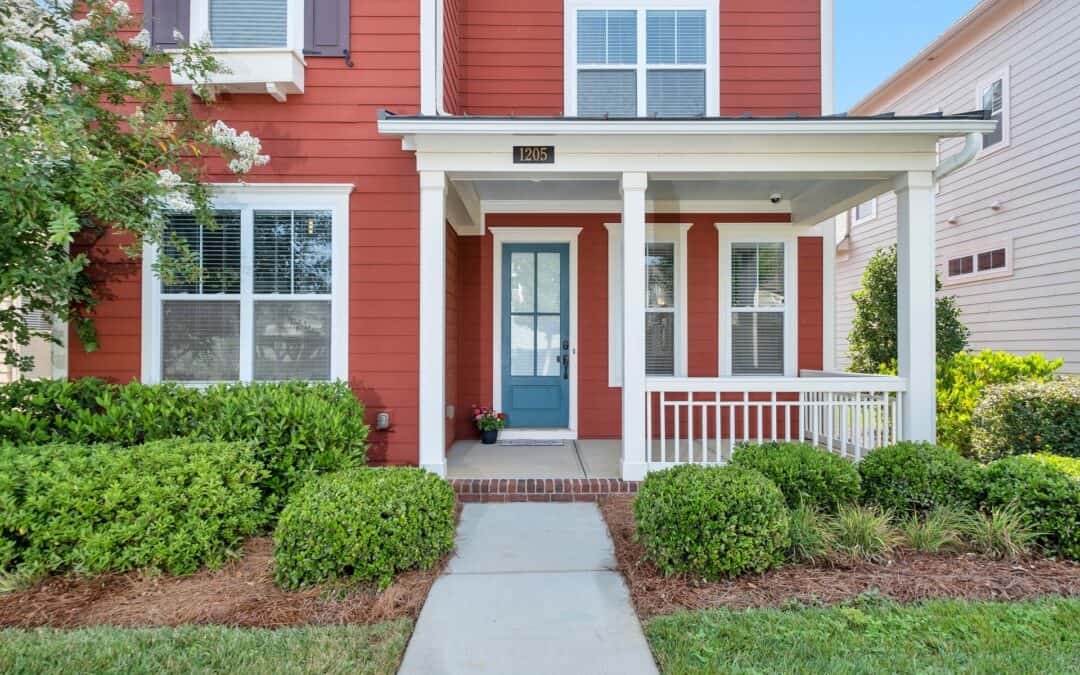
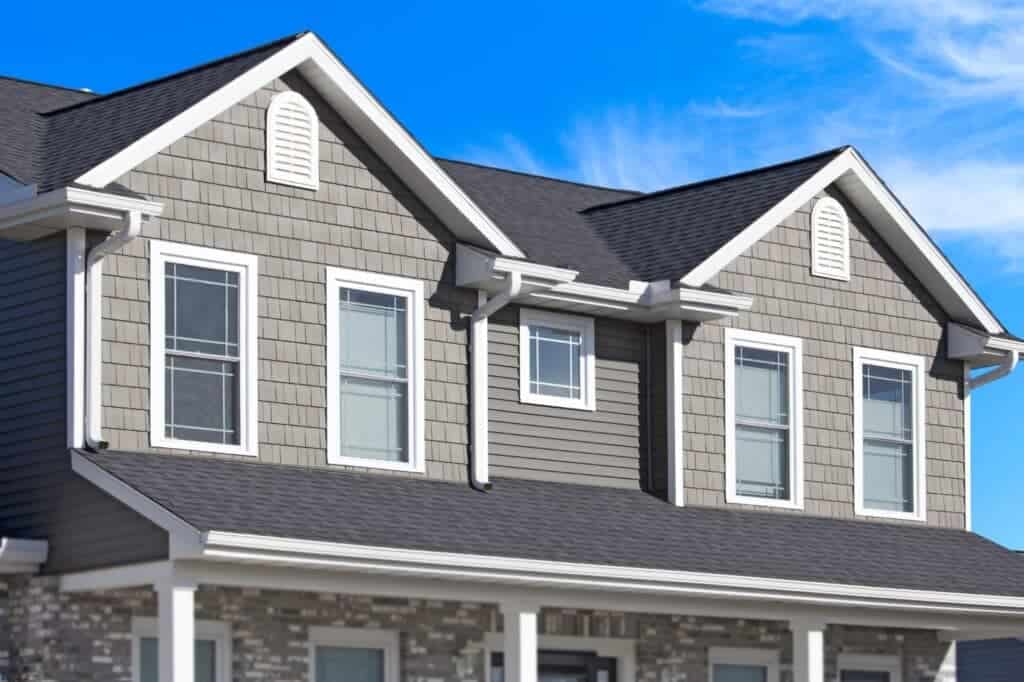
Vinyl siding offers homeowners a wide range of styles, colors, and textures. It can replicate the look of wood, cedar shakes, or even stone, giving the home an upgraded appearance without the upkeep or cost of natural materials. Whether aiming for a traditional look or a more modern style, vinyl siding options are available to complement any home’s architecture.
- Available in a wide variety of colors and finishes
- Can mimic wood, stone, or shakes for versatile design
- Enhances curb appeal while staying low maintenance
5. Cost-Effectiveness
Vinyl siding provides strong value for the investment. It is generally less expensive than wood or brick while offering comparable protection and beauty. Its long lifespan and minimal upkeep reduce repair and replacement costs over time, making it a smart option for homeowners seeking affordability without sacrificing quality.
- More affordable than many other siding options
- Low maintenance translates into ongoing savings
- Durability reduces need for frequent replacements
Key Takeaways
Vinyl siding continues to grow in popularity because it meets the demands of the climate while offering style, value, and convenience. It protects against moisture, reduces maintenance tasks, enhances energy efficiency, and provides a wide range of design choices, all at a reasonable cost. For anyone looking to update their home’s exterior, vinyl siding is a proven solution that combines beauty and practicality.
- Resists rot, mold, and warping caused by humidity
- Requires minimal cleaning and no repainting
- Improves energy efficiency and reduces utility costs
- Offers extensive style and color options
- Affordable upfront and cost-saving long term
Frequently Asked Questions About Vinyl Siding
How does vinyl siding handle humidity? Vinyl siding is moisture-resistant, making it well-suited to humid environments. It prevents water absorption, reducing the risk of rot and mold growth.
Does vinyl siding need to be painted? No. Vinyl siding comes pre-colored and maintains its shade for years. Homeowners save time and money by avoiding repainting or staining.
Can vinyl siding help reduce energy bills? Yes. Vinyl siding provides insulation that helps regulate indoor temperatures, lowering the strain on HVAC systems and potentially reducing energy costs.
Is vinyl siding customizable for different home styles? Absolutely. It is available in numerous styles, finishes, and colors, allowing it to complement both modern and traditional homes.
How long does vinyl siding typically last? With proper care, vinyl siding can last 20–40 years or more. Its durability makes it a long-term investment for homeowners.
- About the Author
- Latest Posts
With over 30 years of experience, Advanced Roofing has established itself as a leading roofing contractor in the Northshore, Greater New Orleans area, and now South Mississippi. Specializing in both commercial and residential roofing, as well as vinyl siding and rain gutter installations, our reputation for quality and reliability extends across a wide range of remodeling and repair services.