Understanding the costs involved is crucial for making an informed decision about your roof. Roofing expenses can vary widely, depending on everything from the materials you choose to the labor rates in your area. If you're wondering how much a new roof really costs, you're not alone. Roof replacement cost is one of the most searched questions among homeowners. It's not just about slapping on some shingles. Several factors contribute to the total expense, including roof size, slope, permits, tear-off, and even your region’s climate. On average, the cost of a new roof in the U.S. ranges from $15,000 to over $25,000, but local pricing can differ based on specific materials and labor availability.
Factors Affecting Price
Roofing costs depend on material selection, total roof area, slope, access, architectural details, tear-off requirements, and conditions found beneath the existing covering. Material prices can change over relatively short periods, and Federal Reserve data sourced from the U.S. Bureau of Labor Statistics shows that the Producer Price Index for asphalt shingle and coating materials increased from 356.859 in May 2026 to 369.692 in June 2026. A roofer can measure the roof and identify valleys, skylights, chimneys, penetrations, steep sections, and other features that may require extra labor or materials. Comparing estimates is easier when each contractor is pricing the same product type, tear-off scope, flashing work, and deck repairs.
- Material prices can change as manufacturing and supply costs shift.
- Larger or steeper roofs generally require more labor and materials.
- Skylights, chimneys, valleys, and other details can increase project complexity.
Labor and Installation
Labor makes up an important share of roofing costs because installation involves removal, preparation, material handling, flashing work, fastening, cleanup, and safety procedures. The U.S. Bureau of Labor Statistics reported a mean annual wage of $58,140 for roofers in May 2025, with a mean hourly wage of $27.95. A roofer with specialized experience may charge more than an inexperienced crew, yet workmanship can affect water resistance, wind performance, warranty compliance, and future repair needs. Homeowners should compare the scope of labor included in each quote instead of judging proposals by the bottom-line price alone.
- Labor pricing reflects skill, crew size, project difficulty, and local market conditions.
- Removal and cleanup should be included when comparing estimates.
- Ask whether flashing, ventilation, and deck repairs are included in labor charges.
Seasonal Variations
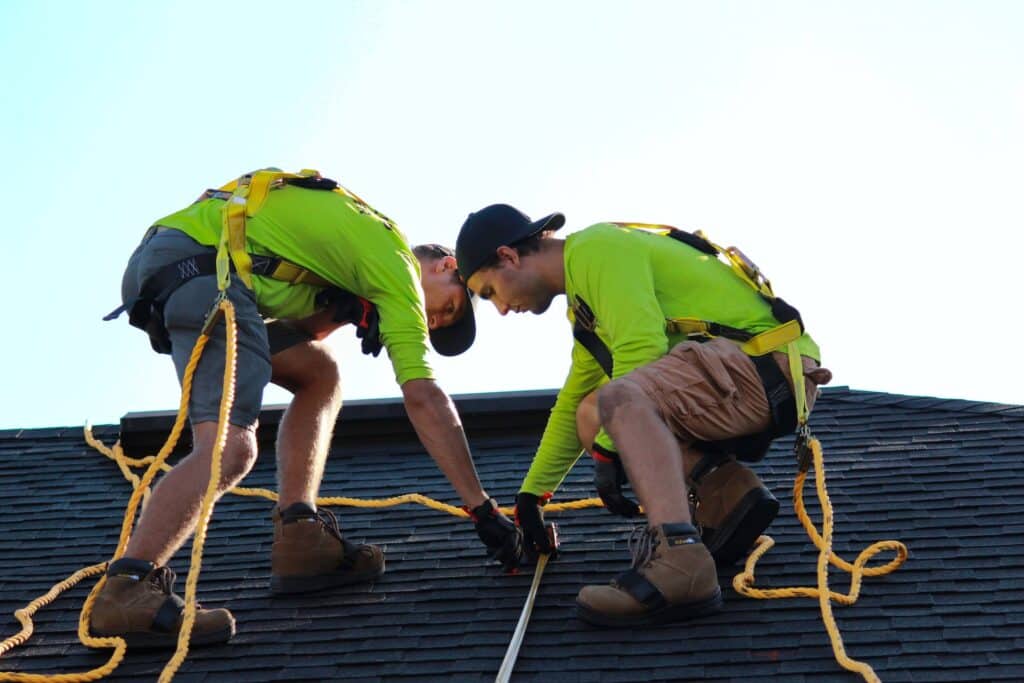
The time of year can influence roofing schedules because weather and customer demand affect how many projects contractors can complete. The U.S. Bureau of Labor Statistics notes that roofers may work overtime during busy summer months, showing how seasonal demand can place additional pressure on roofing crews. A roofer may have greater scheduling flexibility during slower periods, while storm seasons can quickly fill calendars with emergency repairs and replacement work. Property owners who can plan ahead may have more time to compare materials, contractors, and project dates.
- Busy seasons can affect contractor availability and scheduling.
- Storms may create sudden demand for repair crews and materials.
- Planning replacement before an emergency provides more time to compare options.
Extra Expenses
Roof replacement estimates may include costs beyond new shingles or panels, including tear-off labor, dumpsters, hauling, disposal, decking repairs, flashing, permits, and inspections. Roofing debris can be substantial, and the U.S. Environmental Protection Agency estimates that about 15 million metric tons of asphalt shingles are discarded each year in the United States. A roofer should explain how old materials will be removed and whether disposal fees are already included in the quoted price. Homeowners should also ask how unexpected rotten decking or damaged structural components will be documented and approved before extra work begins.
- Confirm whether tear-off, hauling, and disposal are included.
- Ask how hidden decking damage will be priced if discovered.
- Review permit, inspection, flashing, and cleanup charges before signing.
Insurance Considerations
Homeowners insurance can affect out-of-pocket roofing costs when replacement is connected to a covered storm or other insured event, but policy language matters. A 2026 Louisiana Department of Insurance example shows that a hypothetical $10,000 roof loss on a $200,000 home could produce a $1,000 payment under actual cash value coverage versus $6,000 under replacement cost coverage after the example's depreciation and 2% named-storm deductible are applied. A roofer can document visible damage and provide an estimate, while the insurance company determines coverage and settlement according to the policy. Homeowners should review deductibles, depreciation rules, roof-specific limits, and replacement-cost provisions before assuming insurance will cover the full project.
- Actual cash value coverage can subtract depreciation from a settlement.
- Replacement cost coverage may handle depreciation differently.
- Deductibles and roof-specific policy provisions can affect final out-of-pocket costs.
Long-Term Savings
A new roof can be an opportunity to address more than worn exterior materials, especially when attic insulation, air leakage, ventilation, or moisture problems are discovered during planning. ENERGY STAR estimates that homeowners can save an average of 15% on heating and cooling costs by air sealing a home and adding insulation in attics and other recommended areas. A roofer can identify roof leaks or ventilation concerns that should be corrected before insulation or air-sealing improvements are completed. Long-term value comes from considering installation quality, maintenance requirements, expected service life, energy performance, and future repair costs together rather than focusing only on the initial price.
- Consider roof and attic conditions together when planning replacement.
- Correct moisture problems before adding new insulation.
- Compare expected service life and future maintenance with upfront cost.
Key Takeaways on Roof Replacement Costs
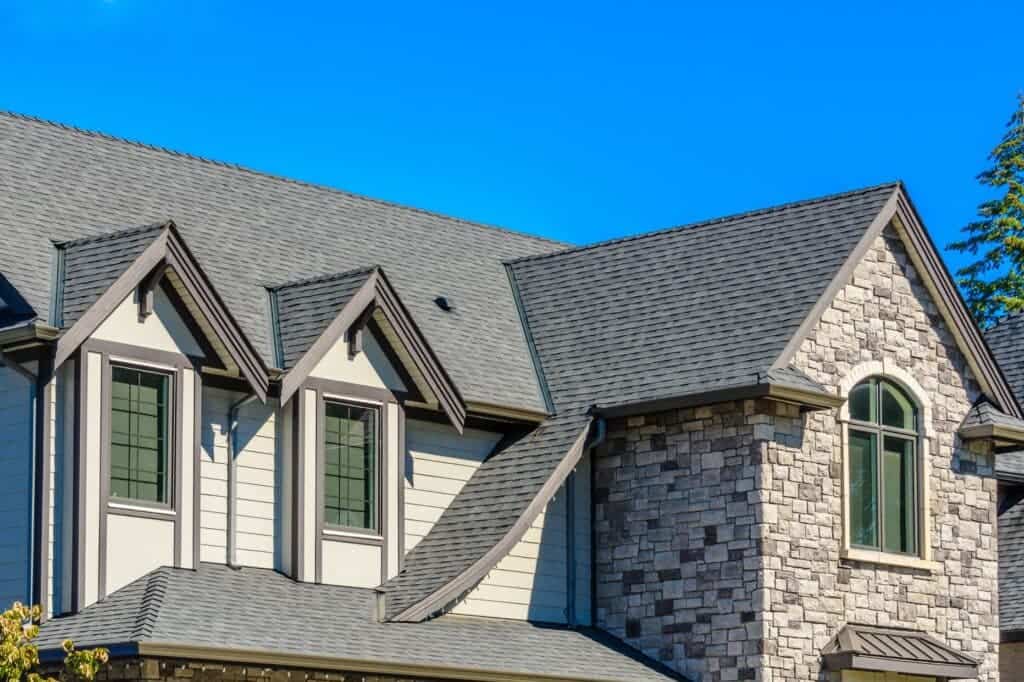
Replacing a roof involves many variables beyond just the shingles. From material choice and labor rates to permits and seasonal demand, each factor influences the overall price. While the average U.S. roof replacement ranges from $15,000 to $25,000, your actual cost will depend on roof size, complexity, and location. Viewing a roof replacement as an investment helps highlight long-term benefits like energy efficiency, reduced repairs, and higher resale value.
- Material choice greatly impacts cost and lifespan, shingles are affordable, while metal or tile provide longer-term value
- Roof size, slope, and added features like skylights increase labor and materials required
- Seasonal demand and contractor availability can change pricing throughout the year
- Permits, inspections, and removal of old roofing add hidden expenses
- Insurance coverage may reduce out-of-pocket costs if replacement is due to covered damage
- Energy-efficient roofing materials can cut utility bills and boost property value
Frequently Asked Questions About Roof Replacement Costs
What is the average cost of replacing a roof? Most homeowners spend between $5,000 and $15,000, but the price depends on roof size, material choice, and local labor rates. Complex designs or premium materials can push costs higher.
Which roofing material is the most cost-effective? Asphalt shingles are the most affordable upfront, but metal and tile roofs, though more expensive initially, last much longer and can be more cost-effective over time.
Why do permits and inspections matter in roof replacement? Permits ensure your project complies with local codes, and inspections verify the roof’s safety and quality. Both add to the total cost but protect you legally and structurally.
Can replacing a roof lower energy bills? Yes. Modern roofing systems with reflective or insulated materials reduce heat gain in summer and heat loss in winter, helping cut energy costs.
Will my homeowner’s insurance cover roof replacement? It depends on the cause of damage. Insurance typically covers storm, fire, or other unexpected damage but not replacement due to normal wear and tear. Always confirm with your provider.
- About the Author
- Latest Posts

With over 30 years of experience, Advanced Roofing has established itself as a leading roofing contractor in the Northshore, Greater New Orleans area, and now South Mississippi. Specializing in both commercial and residential roofing, as well as vinyl siding and rain gutter installations, our reputation for quality and reliability extends across a wide range of remodeling and repair services.