Spotting Roof Damage
One of the first steps in maintaining your roof's health is recognizing the signs of damage. It's not just about checking for broken shingles. Due to the state's high humidity and frequent storms, you might notice different indicators. Look for algae growth, shingle granules in gutters, or any signs of water damage in your attic. These subtle hints can be early warning signs that your roof needs attention.Weathering the Storms
The weather can be tough on roofs. Many states often experiences harsh storms and even hurricanes, which can shorten a roof's lifespan significantly. For instance, high winds can lift or break shingles, leaving your roof vulnerable to water damage. It's crucial to inspect your roof after major weather events and to ensure it's prepared for the next storm season.After the Storm
Following severe weather, it's important to assess your roof for any damage. Look for missing or damaged shingles, dents in metal roofing, or debris that may have caused harm. If you're unsure about the condition of your roof, it's wise to call a professional for a thorough inspection.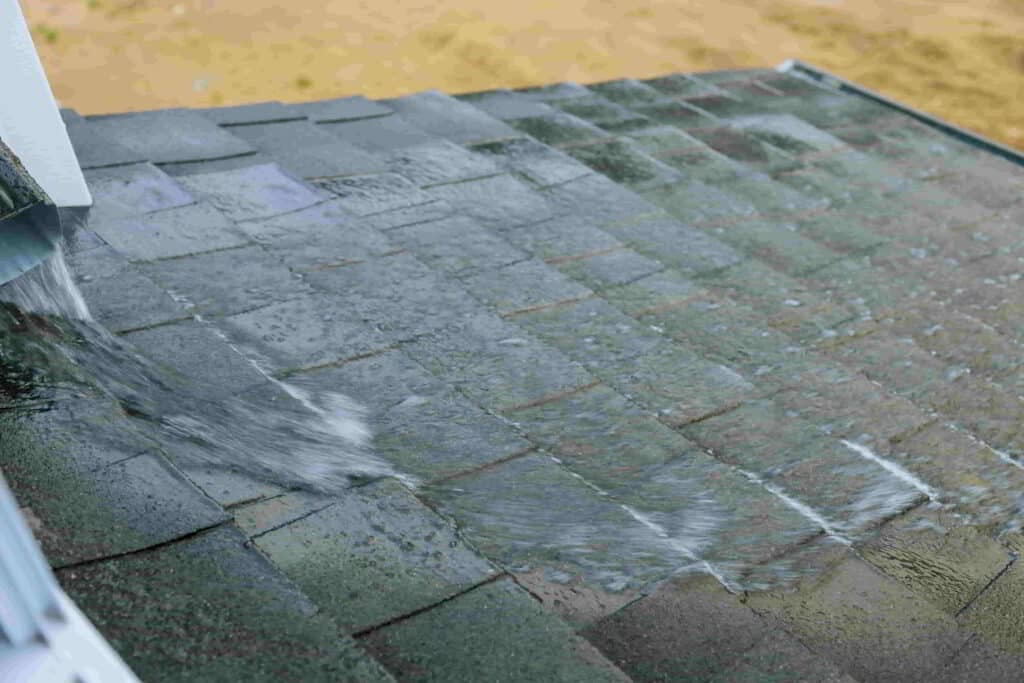
Age Matters
The age of your roof is a critical factor in determining its health. Most roofs have a lifespan of 20 to 25 years, depending on the material. If your roof is approaching this age, it might be time to consider a replacement, especially if you're noticing other signs of wear and tear.Rising Energy Bills
A deteriorating roof doesn't just protect less; it also insulates less. If you've noticed a sudden increase in your energy bills, it could be due to heat escaping through a damaged or aging roof. Ensuring your roof is in good condition is key to maintaining your home's energy efficiency.Saving on Energy
A new roof can significantly reduce your energy costs. Modern roofing materials are designed to reflect sunlight and provide better insulation, which can help lower your heating and cooling bills.
Expert Inspections
Regular roof inspections are vital. A professional can spot potential problems that you might miss and provide recommendations for maintenance or replacement. This proactive approach can save you money and stress in the long run.Mold and Mildew Red Flags
A humid climate creates a perfect environment for mold and mildew, which can cause serious damage to your roof. If you notice any signs of fungal growth, it's time to take action. Mold and mildew not only harm your roof but can also affect your health.Choosing the Right Materials
The right roofing material can make all the difference. Materials like metal, slate, or certain types of shingles can offer longer lifespans and better resistance to the elements. When considering a new roof, it's essential to choose materials that are suited to withstand your region's weather conditions.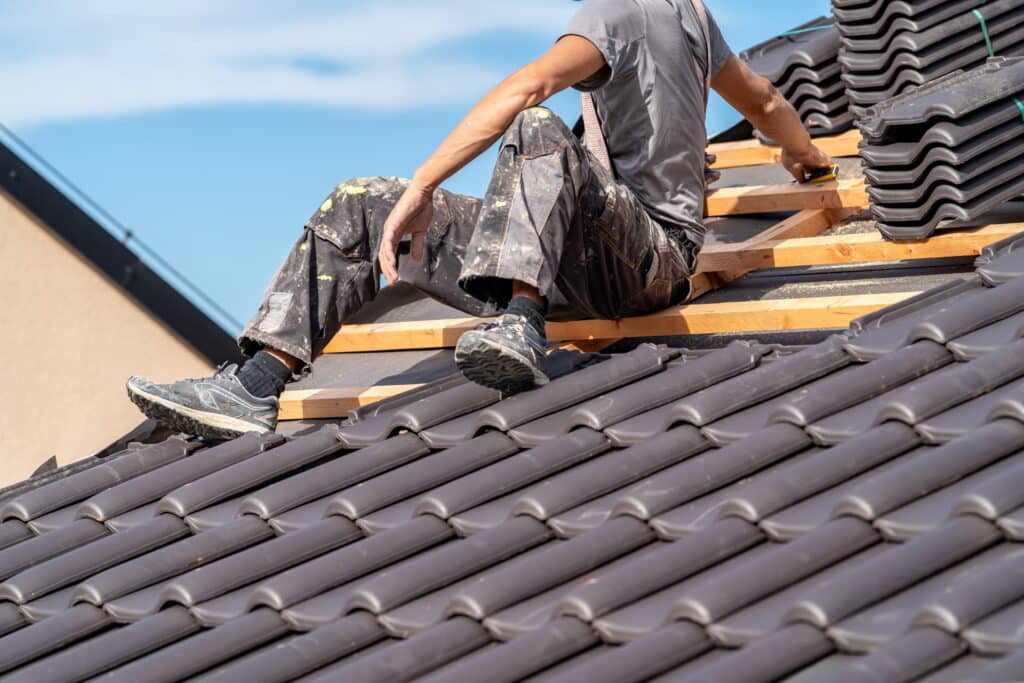
Material Matters
Different roofing materials have their own benefits and drawbacks. For instance, metal roofing is highly durable and wind-resistant but can be more expensive. Asphalt shingles are affordable and easy to install but may not last as long in harsh weather. Weighing these factors will help you make an informed decision about your roofing material.Expert Insights
Consulting with roofing experts who understand your climate is essential. They can offer tailored advice on maintenance and when a replacement might be necessary. Their expertise can guide you in making the right decisions for your specific situation, taking into account factors like your property's location and the type of building you own.Impact on Property Value
A well-maintained roof doesn't just protect you from the elements; it also adds value to your property. A new roof can be a significant selling point, particularly where weather can be a concern for potential buyers. Keeping your roof in top condition is an investment in your property’s future.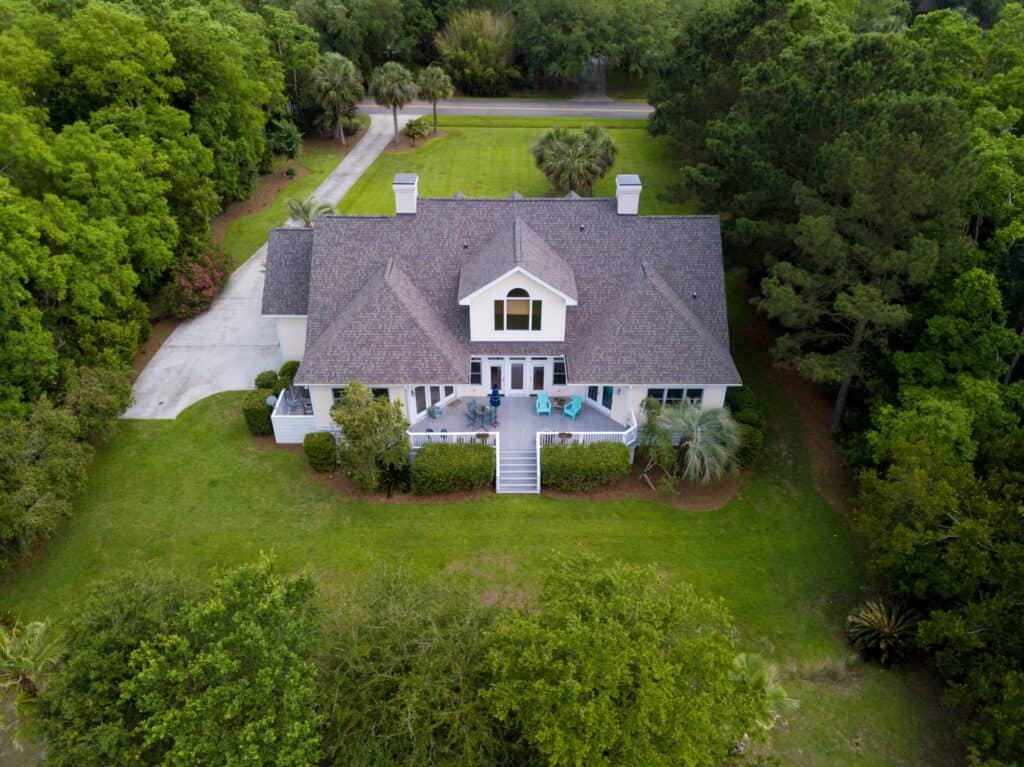
Preventative Measures
Taking preventive measures can extend the life of your roof. Regular cleaning, timely repairs, and proper ventilation can all play a role in keeping your roof healthy. It's also worth considering additional protective measures like waterproofing or specialized coatings, especially in areas prone to severe weather.Navigating Insurance Claims
In the event of storm damage, understanding how to navigate insurance claims is vital. Documenting the damage, understanding your policy, and working with reputable contractors can make the process smoother. This knowledge can be invaluable, especially in a region where storms are frequent.Making Smart Choices
When it's time for a new roof, making informed choices is crucial. Consider not only the initial cost but also the long-term benefits of different roofing materials and designs. A roof that's well-suited the climate can save you money and hassle over time.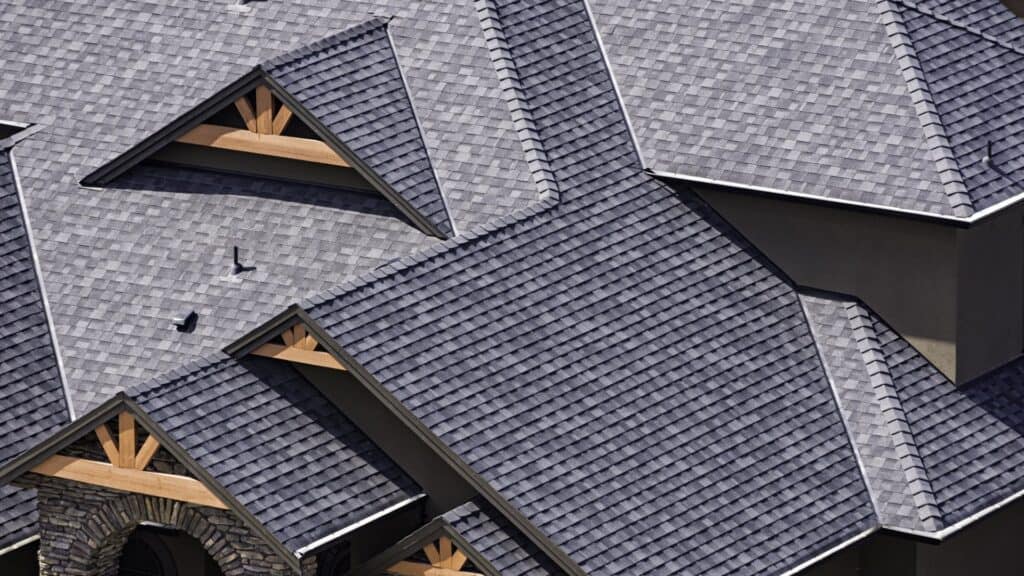
Key Takeaways for Spotting and Addressing Roof Damage
Roofs endure constant exposure to harsh weather, and knowing when to act is critical to preventing costly repairs or replacements. Small signs like algae growth or higher energy bills can point to larger issues. Regular inspections, timely maintenance, and choosing the right materials all play important roles in roof longevity and property value.- Spotting early signs of damage like missing shingles, leaks, or mold can prevent structural issues
- Severe weather events require prompt inspections to catch hidden or emerging roof problems
- Roof age and rising energy bills are key indicators that replacement may be necessary
- Choosing durable materials suited for your region extends lifespan and improves performance
- Proactive maintenance, expert inspections, and proper insurance handling protect your investment
Frequently Asked Questions About Roof Maintenance and Replacement
How often should I have my roof inspected? Most experts recommend an inspection once a year, plus additional checks after major storms. Regular inspections help identify minor damage before it worsens. What roofing materials last the longest in storm-prone areas? Metal and slate roofs are among the most durable, offering strong resistance to wind and water. High-quality asphalt shingles can also perform well with proper installation and maintenance. Can rising energy bills really signal roof problems? Yes. A damaged or aging roof can compromise insulation, causing heating and cooling systems to work harder, which drives up energy costs. How do I know if storm damage is covered by insurance? Coverage depends on your policy, but storm-related damage such as wind-torn shingles or hail impacts is often included. Document damage promptly and contact both your insurer and a roofing professional. What preventative steps can extend the life of my roof? Keep gutters clear, replace damaged shingles quickly, ensure proper attic ventilation, and schedule regular inspections. These actions help prevent leaks, mold growth, and premature wear.- About the Author
- Latest Posts
With over 30 years of experience, Advanced Roofing has established itself as a leading roofing contractor in the Northshore, Greater New Orleans area, and now South Mississippi. Specializing in both commercial and residential roofing, as well as vinyl siding and rain gutter installations, our reputation for quality and reliability extends across a wide range of remodeling and repair services.