In Louisiana, the combination of high humidity, heavy rainfall, and the threat of hurricanes makes roofing a critical aspect of home maintenance. Selecting the right roofing materials and contractors is not just about aesthetics; it's about resilience and protection. This guide is designed to help homeowners in Louisiana navigate the complexities of choosing a roofer who can meet these unique challenges. The roofing industry has shown significant growth and trends, reflecting the unique climate and needs of the region. According to a market research report, the roofing industry in Louisiana is a $319.18 million industry. This growth is a testament to the increasing demand for roofing services in the state, particularly in response to the climatic challenges. Additionally, while exploring roofing trends in Louisiana, it's interesting to note that despite the rise in popularity of standing seam metal roofs, asphalt shingles remain the dominant choice. A report on roofing trends in Lake Charles, Louisiana, highlights that asphalt shingles are still preferred by many homeowners, indicating their suitability for the local climate and conditions.
Understanding Your Roofing Needs
Before you begin your search for a roofing contractor, it's crucial to have a clear understanding of your specific roofing needs. This understanding will guide your decisions and help you communicate effectively with potential contractors.
- Assessing Your Current Roof: Consider the age, current condition, and any issues your existing roof may have.
- Local Weather Considerations: Factor in Louisiana's climate, including high humidity and hurricane risks. According to IBISWorld, the Roofing Contractors industry in Louisiana is expected to grow significantly, reaching $319.18 billion over five years to 2023, highlighting the increasing demand for roofing solutions in the state.
Starting Your Search for a Contractor
Finding the right roofing contractor requires a combination of research and local knowledge. Start by gathering information from various sources to create a list of potential contractors.
- Personal Recommendations: Ask friends, family, and neighbors for referrals to contractors they have successfully worked with.
- Local Business Directories: Use local directories to find a list of contractors in your area.
- Online Platforms: Research contractors through online reviews, websites, and social media to get a sense of their reputation and work quality.
Essential Qualities of a Roofing Contractor
Selecting a roofing contractor is a decision that should be based on key professional qualities to ensure the success of your project.
- Experience: Look for contractors with extensive experience, especially in handling roofs in Louisiana's climate.
- Licensing: Ensure the contractor is licensed to operate in your area, which is a sign of professionalism and knowledge of local building codes.
- Insurance: Verify that the contractor has comprehensive insurance coverage to protect against any accidents or damage.
The Importance of Local Experience
Local experience is especially valuable in Louisiana because roofing work must account for state construction requirements, permitting procedures, high winds, heavy rain, humidity, and hurricane exposure. Louisiana law requires municipalities and parishes to permit and inspect residential roof construction and reroofing according to the applicable International Residential Code requirements adopted by the state. A roofer who regularly works in the area should understand these requirements and know how regional weather conditions can influence material selection, fastening methods, flashing, drainage, and installation practices. Homeowners should ask contractors about their experience completing comparable projects in the same parish or surrounding communities.
- Familiarity With Local Codes: Choose a contractor who understands Louisiana roofing, permitting, and inspection requirements.
- Understanding of Local Weather: Local experience can help contractors recommend materials and installation methods suited to heavy rain, wind, heat, and humidity.
- Knowledge of Local Procedures: Experienced contractors should understand how permits and roofing inspections are handled in the project area.
Verifying a Roofing Contractor's Credentials
Verifying credentials should happen before a homeowner signs a contract, makes a deposit, or allows roofing work to begin. Louisiana strengthened its roofing requirements beginning January 1, 2026, and state law now provides that anyone who bids, estimates, supervises, repairs, or performs work on a residential roofing project valued at $7,500 or more must hold a Residential Roofing or Residential Construction classification. A roofer should be willing to provide the business name and license information needed for verification. Homeowners can then confirm the credential through the Louisiana State Licensing Board for Contractors rather than relying solely on advertisements, badges, or claims made on a company website.
- License Checks: Verify the contractor through the Louisiana State Licensing Board for Contractors.
- Insurance: Ask for current proof of applicable liability and workers' compensation coverage.
- Certifications and Recognition: Review manufacturer certifications, training credentials, and legitimate industry awards as additional indicators of experience.
Customer Reviews and Testimonials
Customer reviews can provide useful information about communication, punctuality, cleanup, workmanship, and how a roofing company responds when problems occur. Reviews should never be evaluated by star rating alone because the Federal Trade Commission warns that a sudden burst of reviews within a short period can sometimes indicate fake reviews. The FTC also recommends checking multiple sources and examining whether reviewers have histories of posting other reviews. A roofer with consistent feedback across independent platforms may provide a clearer picture than a company whose reputation depends on only a handful of unusually similar testimonials.
- Real-Life Experiences: Look for detailed reviews that describe the type of roofing work completed.
- Review Patterns: Pay attention to recurring comments about communication, scheduling, workmanship, and problem resolution.
- Multiple Sources: Compare feedback across independent platforms instead of relying on one rating.
Understanding Estimates
A detailed roofing estimate makes it easier to understand what the contractor intends to repair or replace and how the projected cost was calculated. Louisiana law specifically prohibits a contractor from authorizing repairs related to a property damage claim without providing a good-faith estimate containing itemized and detailed costs for services and materials. A roofer should explain major materials, labor, disposal, flashing, decking allowances, permits, and other anticipated charges rather than presenting only one unexplained total. Homeowners should also ask how additional damage discovered after removing the existing roofing will be priced and approved.
- Detailed Breakdowns: Review materials, labor, disposal, permits, and other anticipated charges.
- Possible Additional Work: Ask how damaged decking or other hidden problems will be handled.
- Comparable Quotes: Make sure competing estimates cover similar materials and scopes of work before comparing prices.
The Importance of a Written Contract
A written contract creates a clear record of what the contractor and homeowner have agreed to before roofing work begins. Current Louisiana law requires contracts that are subject to contractor licensing or registration requirements to identify the parties, contractor license number, work to be performed, price, signatures, and applicable insurance documentation. State law also provides that all parties must receive a copy of the signed contract and work cannot begin before everyone has signed it. A roofer should make sure warranties, materials, payment terms, project responsibilities, and approved changes are documented rather than relying on verbal promises.
- Scope of Work: Document the roofing materials and work the contractor has agreed to provide.
- Costs and Payment: Include the agreed price and applicable payment terms.
- Signatures and Documentation: Keep a completed copy of the signed agreement and related warranty information.
Preparing for Installation
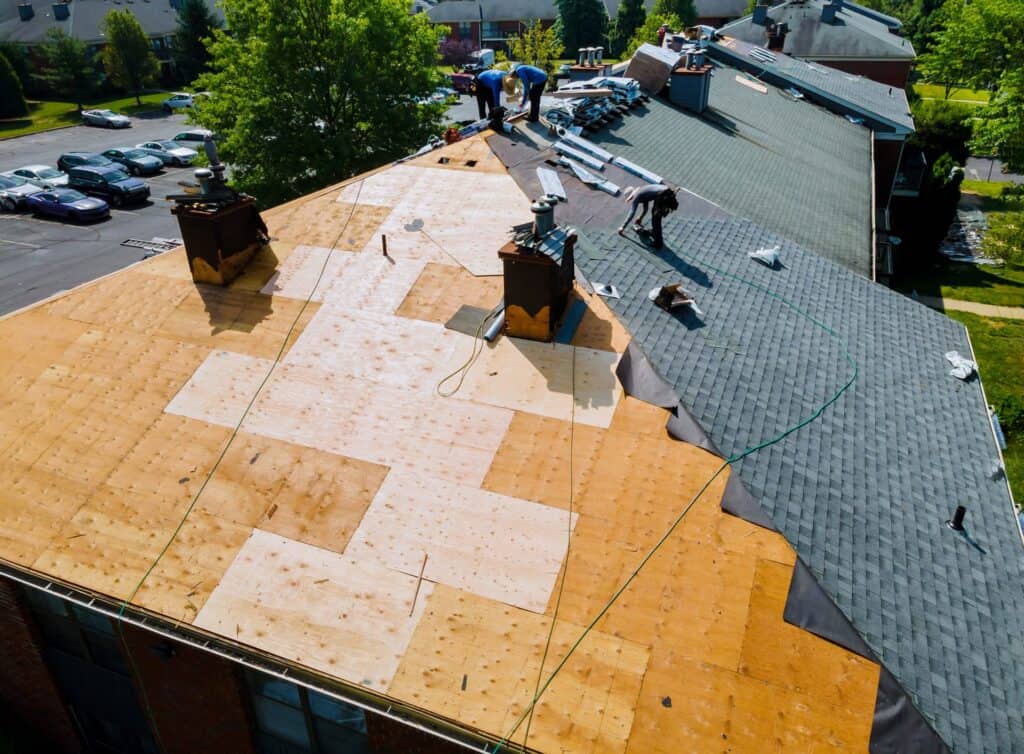
Preparing for a new roof involves coordinating permits, property access, material deliveries, and safety considerations before work begins. Homeowners should confirm who is responsible for obtaining permits and make sure vehicles, outdoor furniture, and other belongings are moved away from active work areas. Louisiana law allows building officials to accept location-verified, geotagged photographs or videos for required roofing and reroofing inspections, which can make certain inspection procedures more efficient when permitted by the local authority. Understanding the installation sequence beforehand also helps homeowners anticipate noise, debris removal, inspections, and temporary limitations on driveway or yard access.
- Securing Permits: Confirm who will obtain required roofing permits and arrange inspections.
- Property Preparation: Move vehicles, furniture, decorations, and other belongings away from work zones.
- Understanding the Process: Ask about tear-off, material delivery, installation, cleanup, and final inspection procedures.
Roofing Warranties
Roofing warranties can differ considerably in what they cover, how long protection lasts, and what homeowners must do to maintain eligibility. Manufacturer coverage generally applies to qualifying roofing products, while workmanship warranties address installation-related issues according to the contractor's written terms. The Federal Trade Commission explains that written warranties must be available for consumers to read before purchasing a covered product, making it important to review exclusions, claim procedures, repair obligations, and maintenance requirements before choosing materials. Homeowners should save copies of warranty documents, contracts, receipts, and product information in case a claim is needed later.
- Types of Warranties: Compare manufacturer coverage with any workmanship warranty supplied by the contractor.
- Coverage Details: Review exclusions, coverage periods, claim procedures, and maintenance obligations.
- Keep Records: Retain warranty documents, contracts, receipts, and roofing product information.
Post-Installation Services
Roof care should continue after installation because weather, debris, foot traffic, sealant deterioration, and changes around roof penetrations can affect performance over time. The Insurance Institute for Business & Home Safety emphasizes that roof inspection, maintenance, and repair are necessary throughout the life of a roof and notes that addressing problems as they develop can help prevent more significant damage. Homeowners should follow the roofing manufacturer's maintenance instructions and keep records of inspections or repairs that could be relevant to warranty coverage. A maintenance relationship with the original contractor may also make it easier to address minor concerns before they become larger problems.
- Maintenance Plans: Ask whether the contractor offers periodic roof inspections or maintenance services.
- Long-Term Care: Follow manufacturer recommendations for cleaning, inspection, and repair.
- Documentation: Keep records and photographs of maintenance and completed repairs.
Handling Roofing Emergencies
Louisiana storms can damage shingles, metal panels, flashing, decking, and other roof components, making advance emergency planning especially useful. Homeowners should know how to contact their contractor and insurer, photograph visible damage when it is safe to do so, and avoid climbing onto an unstable or storm-damaged roof. FEMA's current disaster guidance explains that its Operation Blue Roof program generally requires roof damage to be less than 50% and the affected area to be structurally sound enough for a crew to work safely when that program is activated for an eligible disaster. Temporary coverings are intended to limit additional weather exposure until permanent repairs can be completed, not replace proper roof restoration.
- Emergency Services: Keep contractor and insurance contact information readily available during severe weather season.
- Document Damage: Take photographs from a safe location before temporary or permanent repairs when possible.
- Preventative Measures: Address vulnerable roofing components before storms and arrange permanent repairs promptly after damage.
-
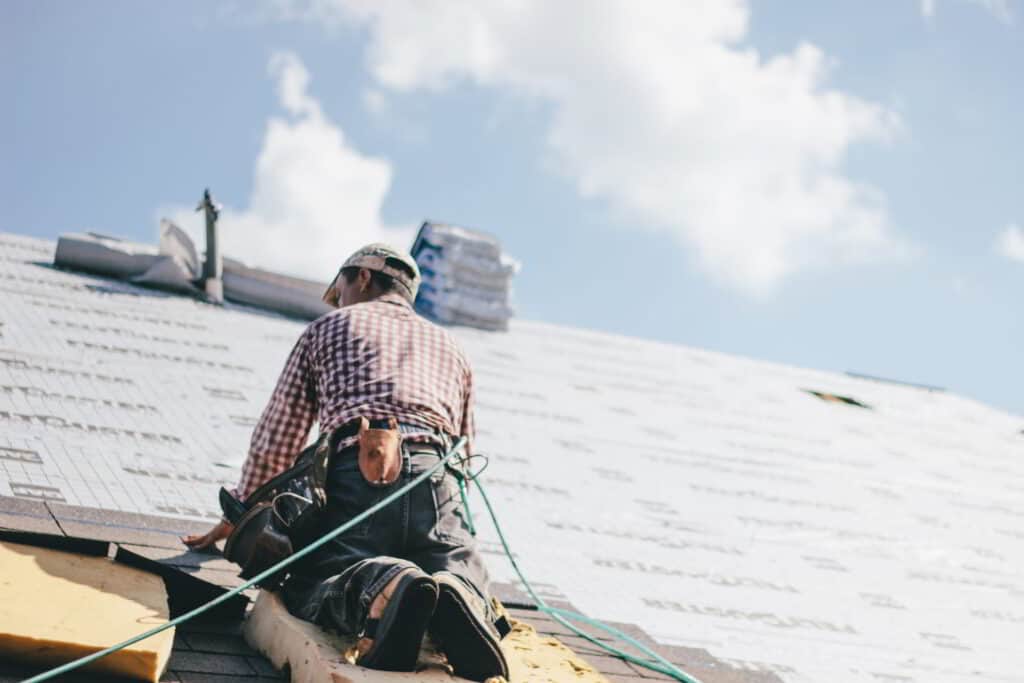
Key Takeaways on Choosing the Best Roofing Contractor in Louisiana
Roofing decisions in Louisiana go beyond appearance, they directly impact your home’s ability to withstand humidity, heavy rain, and hurricane-force winds. Selecting the right contractor is crucial, and homeowners should focus on licensing, local experience, and verified insurance. Understanding warranties, detailed contracts, and the importance of post-installation care ensures long-term durability and value. With the state’s $319 million roofing industry driven by climate demands, investing in the right professional makes all the difference.
- Louisiana’s climate demands resilient roofing solutions that withstand humidity and storms
- Experienced local contractors know state-specific building codes and weather challenges
- Proper licensing, insurance, and warranties are non-negotiable for protection and peace of mind
- Customer reviews and detailed written estimates provide insight into reliability and costs
- Eco-friendly and energy-efficient roofing options are growing in popularity and value
Frequently Asked Questions About Roofing in Louisiana
What roofing material lasts the longest in Louisiana’s climate? Metal and slate roofs typically offer the longest lifespan. Asphalt shingles are still widely used due to affordability and adequate durability for the region’s weather conditions.
-
How do I confirm a contractor’s credentials? You can check licenses with the Louisiana State Licensing Board for Contractors and ask for proof of insurance, including liability and worker’s compensation coverage.
-
Are written contracts really necessary? Yes. A contract outlines scope of work, costs, warranties, and timelines. It protects both the homeowner and the contractor by ensuring expectations are clear and legally documented.
-
How often should my roof be inspected in Louisiana? Given the state’s high rainfall and storm risk, an annual inspection plus additional checks after major storms is recommended to prevent small issues from becoming major repairs.
-
Can a new roof improve energy efficiency? Absolutely. Reflective metal roofs and lighter-colored shingles can help reduce cooling costs, an important consideration in Louisiana’s hot and humid climate.
- About the Author
- Latest Posts
With over 30 years of experience, Advanced Roofing has established itself as a leading roofing contractor in the Northshore, Greater New Orleans area, and now South Mississippi. Specializing in both commercial and residential roofing, as well as vinyl siding and rain gutter installations, our reputation for quality and reliability extends across a wide range of remodeling and repair services.