Professional Roofer Advice
According to seasoned professionals, long-term solutions are not just recommended; they are necessary. A professional roofer can assess the extent of damage and provide solutions that will last for decades, not just months. This might involve a complete roof replacement or the installation of new, more durable materials that are better suited to the local climate and architectural style of your home.- Professional roofers can offer warranties on their workmanship and materials.
- They ensure repairs meet local building codes.
- Professionals provide peace of mind with their expertise and reliability.
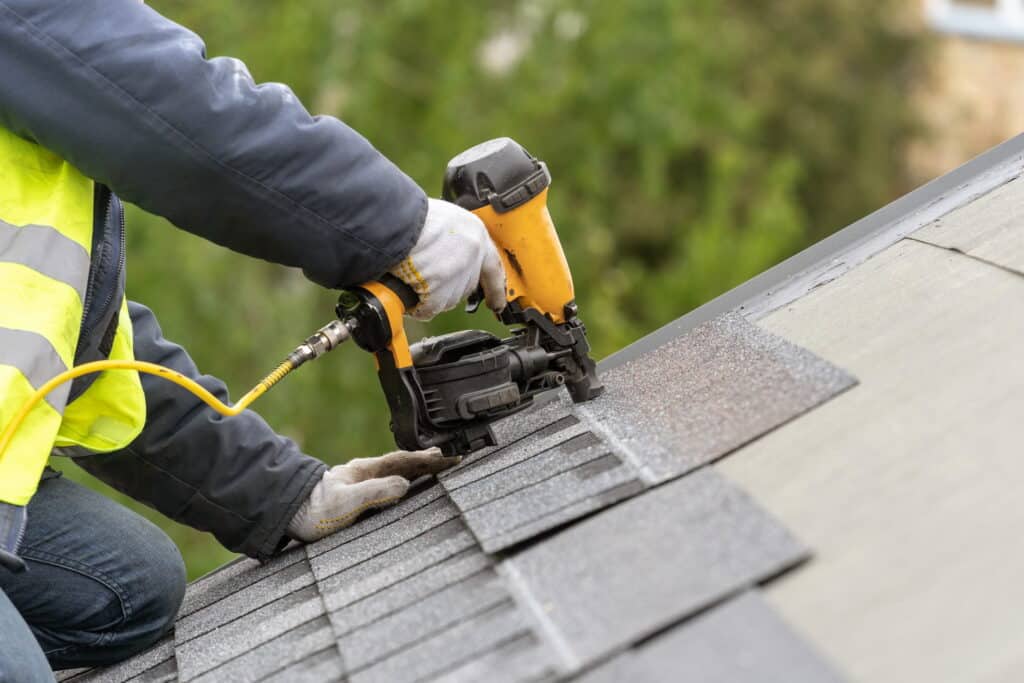
Long-Term Roofing Solutions
Investing in long-term roofing solutions such as complete replacements or high-quality materials pays off. These solutions enhance the durability and functionality of your roof, protecting your home from the elements effectively. They also improve energy efficiency, which can significantly reduce heating and cooling costs over time. Choosing sustainable materials can further increase your home’s value and appeal to potential buyers.- Long-term solutions like metal roofing can last up to 50 years.
- They significantly reduce the frequency of repairs.
- Energy-efficient roofs can save up to 15% on your annual energy bills.
Choosing the Right Roofer
Selecting the right roofer is important for protecting the quality, safety, and long-term performance of a roofing system. Homeowners should compare credentials, insurance coverage, experience, reputation, warranties, and the details included in each proposal rather than selecting a contractor based on price alone. The Federal Trade Commission recommends getting three written estimates before beginning home repairs, giving property owners a better opportunity to compare materials, labor, pricing, and proposed work. A qualified roofer should also provide a clear written contract that explains the scope of work, payment terms, expected schedule, and warranty coverage.- Verify licensing and insurance through the appropriate state or county agency.
- Compare several detailed written estimates before making a decision.
- Review references, customer feedback, warranties, and contract terms carefully.
Cost Comparison
A comprehensive roofing solution may require a larger initial investment, but correcting underlying weaknesses can reduce the likelihood of repeated repairs after future storms or weather exposure. FEMA reports that every $1 spent on hazard mitigation saves an average of $6 in future losses, demonstrating the broader financial value of addressing vulnerabilities before additional damage occurs. Roof-specific costs and savings will vary by property, materials, climate, and type of improvement, so homeowners should compare the expected service life and protection offered by each option. A roofer can explain whether targeted repairs, upgraded materials, or complete replacement provides the most practical long-term value for the existing roof.- Compare long-term performance rather than installation price alone.
- Address underlying weaknesses that could contribute to repeated damage.
- Consider material durability, warranties, maintenance needs, and future repair costs.
Maintenance Tips From Experts
Routine roof maintenance can reveal developing problems before they spread to decking, insulation, ceilings, or other parts of the home. The U.S. Fire Administration recommends keeping roofs and gutters free of dead leaves, debris, and pine needles while repairing loose or missing shingles and roof tiles, steps that also help homeowners notice damaged roofing components that require attention. A roofer can inspect areas that are difficult or unsafe for homeowners to evaluate from the ground, including flashing, penetrations, valleys, and damaged roof coverings. Maintenance frequency should be based on the roof material, surrounding trees, weather exposure, and manufacturer recommendations rather than relying on one schedule for every property.- Keep gutters and roof surfaces clear of accumulated leaves and debris.
- Address loose, damaged, or missing roofing materials promptly.
- Arrange an inspection after severe weather when visible damage or leaks are suspected.
Success Stories
Many homeowners have found that investing in long-term roofing solutions led to significant benefits. They report fewer repairs, lower overall maintenance costs, and increased peace of mind. Success stories often highlight the importance of choosing the right materials and professional roofers who follow through with excellent workmanship.- Homeowners appreciate the stress-free living that comes with a reliable roof.
- Enhanced home insulation and efficiency are frequently noted benefits.
- The aesthetic improvement of a new roof often increases neighborhood appeal.
Key Takeaways for Optimal Roofing Decisions
Investing in long-term roofing solutions rather than settling for quick fixes provides enduring benefits, including cost savings, increased property value, and enhanced protection against the elements. Choosing the right professional roofer and conducting regular maintenance can extend the life of your roof and ensure it performs optimally.Frequently Asked Questions
- What makes long-term roofing solutions cost-effective?
- They reduce the need for frequent repairs and can significantly lower energy costs by improving home insulation.
- How often should I have my roof inspected by a professional?
- It’s wise to schedule an inspection at least once a year and after major storms to catch and address any potential issues early.
- What are the signs that a quick fix is no longer sufficient for my roofing problems?
- Frequent leaks, noticeable sagging, and increased energy bills are clear indicators that more comprehensive repairs are needed.
- Can long-term roofing solutions improve my home’s resale value?
- Yes, they can enhance curb appeal and assure potential buyers of the quality and durability of the roofing system, increasing your home’s marketability.
- What should I look for in a roofing contractor?
- Ensure they are licensed, insured, have good reviews, and can provide detailed, transparent quotes and contracts.
- About the Author
- Latest Posts
With over 30 years of experience, Advanced Roofing has established itself as a leading roofing contractor in the Northshore, Greater New Orleans area, and now South Mississippi. Specializing in both commercial and residential roofing, as well as vinyl siding and rain gutter installations, our reputation for quality and reliability extends across a wide range of remodeling and repair services.